
IBS-D, IBS-C and IBS-M
What the IBS subtypes mean, how symptoms differ between them, and how to describe your pattern to a clinician.
 IBS-D, IBS-C and IBS-M
Can a Fecal Transplant Cure SIBO? What Trials Show
No fecal transplant is proven for SIBO. What the one small SIBO trial and the IBS trials show, FDA status, DIY risks, and how to track symptoms in a trial.
18 min read IBS-D, IBS-C and IBS-M
Can IBS Cause Frequent Urination? The Evidence
Yes, urinary frequency is more common in IBS. What the studies show about overactive bladder, pelvic floor and interstitial cystitis, plus red flags.
22 min read IBS-D, IBS-C and IBS-M
How to Clean Properly After a Bowel Movement: IBS
Wipe gently, rinse with lukewarm water, pat dry and protect sore skin. Why IBS stools are hard to clean, what the evidence says and when to see a doctor.
23 min read IBS-D, IBS-C and IBS-M
IBS vs Bowel Endometriosis: How to Tell Them Apart
IBS and bowel endometriosis overlap heavily and often coexist. See which clues point each way, how scans and laparoscopy work, and how to log your cycle.
22 min read IBS-D, IBS-C and IBS-M
Is IBS a Real Diagnosis? What the Evidence Says
Yes. IBS is a recognized disorder of gut-brain interaction with measurable physiology, diagnosed by symptom criteria, not just by leaving other things out.
24 min read IBS-D, IBS-C and IBS-M
Psyllium Husk for IBS: What the Evidence Shows
Psyllium husk (ispaghula) is the one fiber guidelines back for IBS, for both constipation and loose stools. What trials show, who it fails and how to test it.
21 min read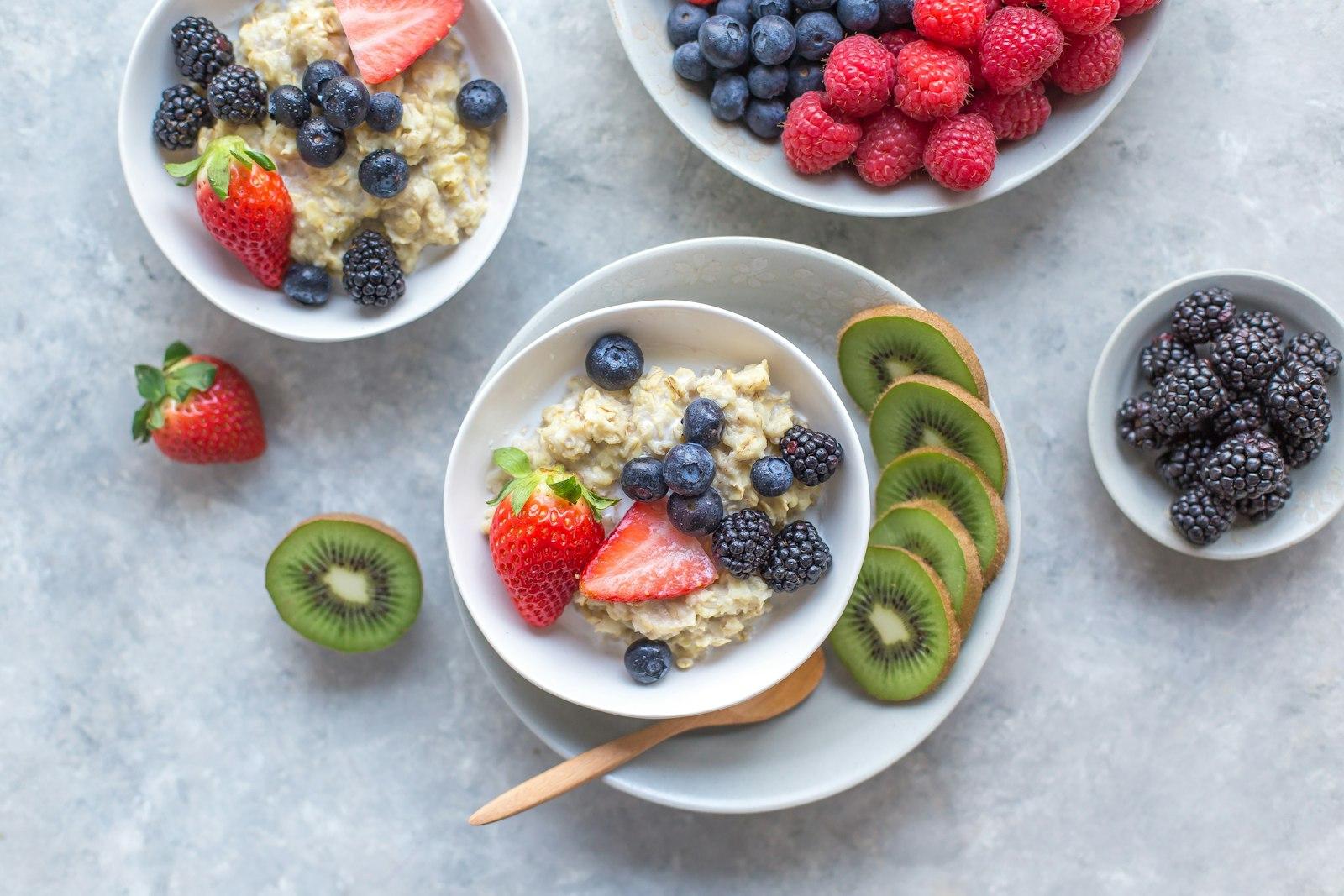 IBS-D, IBS-C and IBS-M
Alternatives to Coffee to Stimulate Bowel Movement
A meal, a walk and kiwifruit have better evidence than warm water for a morning bowel movement. What coffee really does, and how to test your own swap.
23 min read IBS-D, IBS-C and IBS-M
Metformin IBS Diarrhea: Medicine or IBS-D?
Metformin causes diarrhea in many people and can look like IBS-D. What labels and studies show, plus a one-page timeline worksheet to bring to your prescriber.
25 min read IBS-D, IBS-C and IBS-M
Why Do I Feel Worse After SIBO Treatment?
Feeling worse after SIBO antibiotics usually means side effects, a rocky gut, relapse or a different diagnosis. Die-off is unproven. What is normal and when to call.
24 min read IBS-D, IBS-C and IBS-M
Can IBS Be Cured? What Long-Term Studies Show
IBS has no proven cure, but it often fluctuates and many people have long quiet spells. Here is what follow-up studies show about remission over years.
24 min read IBS-D, IBS-C and IBS-M
IBS Symptoms in Women: What's Different and Why
IBS symptoms in women lean toward pain, bloating and constipation, and shift with the cycle, pregnancy and menopause. What is different, and which clues need a doctor.
24 min read IBS-D, IBS-C and IBS-M
IBS vs IBD: Key Differences, Red Flags and Tests
IBS is a gut-brain disorder; IBD (Crohn's and ulcerative colitis) is chronic inflammation. How symptoms overlap, which tests separate them and which red flags matter.
22 min read IBS-D, IBS-C and IBS-M
What Can Be Mistaken for IBS? Clues and Tests
Celiac disease, IBD, bile acid diarrhea, SIBO, endometriosis and more can pass for IBS. See the clue that separates each one and the test that checks it.
27 min read IBS-D, IBS-C and IBS-M
IBS Treatment Options: Diet, Medicines, Therapy
Every evidence-based IBS treatment option in one place: diet, fiber, over-the-counter, prescription classes by subtype, gut-brain therapy, and what to skip.
19 min read IBS-D, IBS-C and IBS-M
Mounjaro and IBS: What the Research Actually Shows
Mounjaro and IBS: no trial has tested it for IBS yet. Here is what motility studies, trials and 2026 data say, and what to track if you are on one.
21 min read IBS-D, IBS-C and IBS-M
Why Do I Fart So Much With IBS? What Research Shows
Farting a lot with IBS is usually normal gas made by fermentation, plus a gut that handles gas less well. Here is what studies show and when to see a doctor.
22 min read IBS-D, IBS-C and IBS-M
Why Is My Diarrhea Hard to Pass? What to Know
Loose stool that still takes effort to pass has real explanations, from mixed stool to pelvic floor dyssynergia. What the evidence says and when to see a doctor.
21 min read IBS-D, IBS-C and IBS-M
IBS Nausea After Eating: Where It Comes From
Nausea is not part of IBS itself. After meals it often comes from overlapping dyspepsia, a backed-up colon, reflux or a medicine. How to tell which.
28 min read IBS-D, IBS-C and IBS-M
Does IBS Make You Tired? What the Research Shows
Yes. Pooled studies find fatigue in roughly half of people with IBS. Why bad gut days drain you, what is worth checking, and what has been tested against it.
32 min read IBS-D, IBS-C and IBS-M
IBS After Food Poisoning: What the Cohorts Show
Yes, food poisoning can trigger IBS, in roughly 1 in 10 to 1 in 7 people after gastroenteritis. Follow-up studies show many improve, over years rather than weeks.
37 min read IBS-D, IBS-C and IBS-M
IBS Back Pain: Causes, Patterns and Red Flags
IBS can cause back pain through referred gut pain and a more sensitive pain system. Where it shows up, how to tell it from kidney or spine pain, and red flags.
36 min read IBS-D, IBS-C and IBS-M
IBS Pain Left Side: Lower Left or Under the Ribs
IBS pain often sits low on the left or under the left ribs, where the colon bends and gas and stool collect. What helps, and which signs are not IBS.
37 min read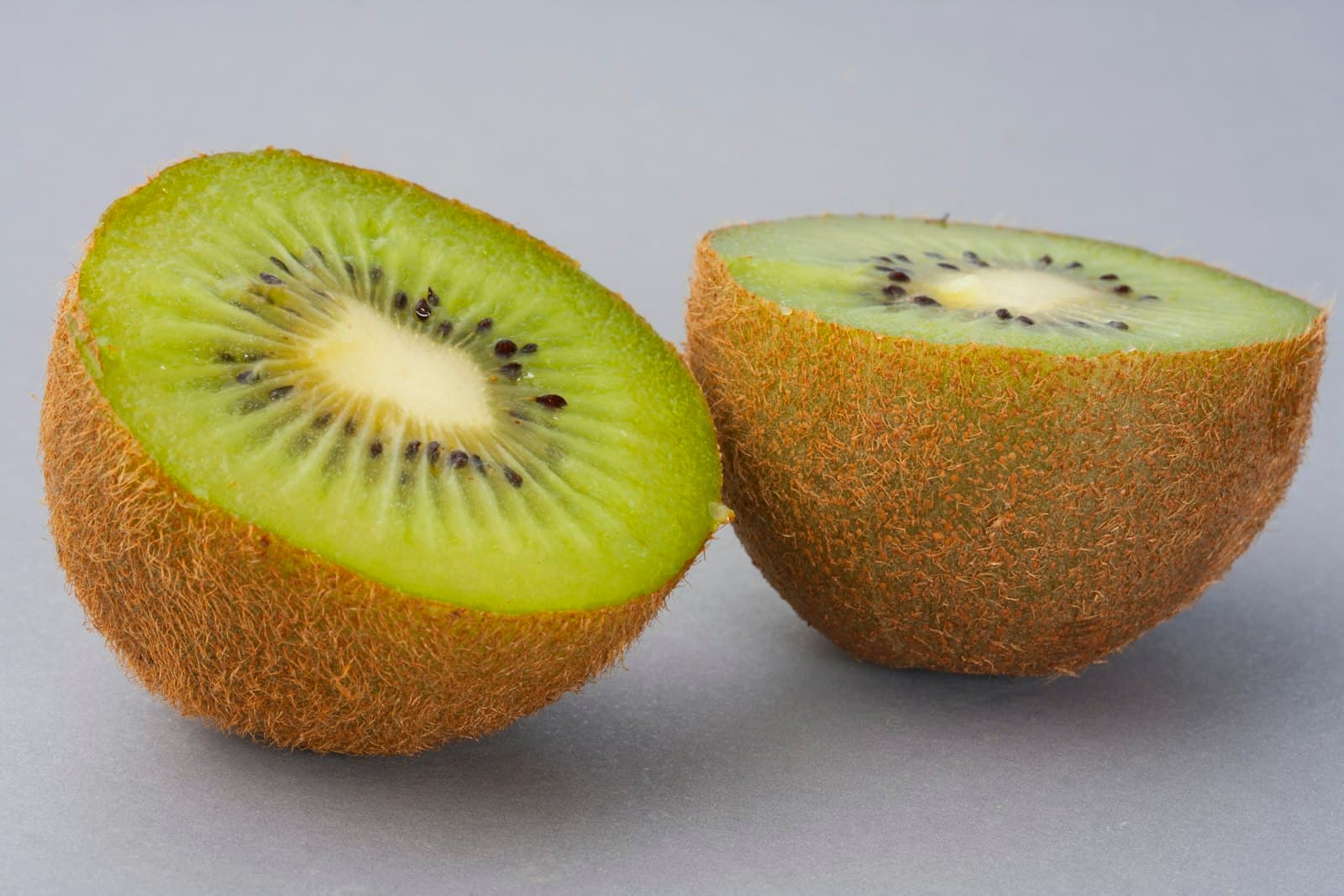 IBS-D, IBS-C and IBS-M
What to Eat With IBS-C: What the Trials Support
What to eat with IBS-C: kiwifruit and soluble fiber have the best record for stools and comfort. Prunes, prune juice and rye bread can work but often cramp.
38 min read IBS-D, IBS-C and IBS-M
Still Need to Poop After You Just Went? 3 Causes
That unfinished feeling followed 51% of stools in IBS and 21% without it. The 3 causes, how to tell which is yours, and what helps, including biofeedback.
35 min read IBS-D, IBS-C and IBS-M
Bile Acid Malabsorption vs IBS: Telling Them Apart
Symptoms cannot separate them, and a pill trial proves less than it feels. What the tests measure, who gets tested, and how to make the case for one.
36 min read IBS-D, IBS-C and IBS-M
Cold Sweats Before Pooping: Why, and When to Worry
Cold sweats and nausea before a bowel movement are usually a vasovagal reflex set off by gut pain or straining. What to do in the moment, plus red flags.
37 min read IBS-D, IBS-C and IBS-M
IBS-C vs IBS-D: The 25% Rule and Why It Changes
IBS-C means over 25% of abnormal stools are hard and under 25% loose; IBS-D is the reverse. Over 75% switch subtype in a year. Having both, tests, care.
31 min read IBS-D, IBS-C and IBS-M
Exercise and IBS Flare Ups: Why Intensity Matters
Exercise rarely causes an IBS flare at moderate effort, but hard or long sessions provoke gut symptoms through blood flow, motility and what you ate. Here is the dose.
35 min read IBS-D, IBS-C and IBS-M
How to Manage IBS-M Without Overcorrecting
IBS-M is the least studied IBS subtype. What the trials actually tested, why the swing happens, and how to treat one end without triggering the other.
33 min read IBS-D, IBS-C and IBS-M
IBS Bloating That Makes You Look Pregnant
Looking six months pregnant by evening is usually not extra gas. CT and EMG studies show the diaphragm drops and the abdominal wall relaxes. Here is the evidence.
31 min read IBS-D, IBS-C and IBS-M
Can IBS Wake You Up at Night? What It Means
Night-time IBS symptoms are treated as a red flag everywhere online. The studies that tested alarm features found they barely discriminate. What the evidence says.
37 min read IBS-D, IBS-C and IBS-M
SIBO vs IBS Symptoms: Can You Tell Them Apart?
Not from symptoms alone. Bloating, gas and loose stools look identical in both. What the breath test can and cannot settle, and what is worth ruling out first.
29 min read IBS-D, IBS-C and IBS-M
Traveling With IBS-D: Tips That Actually Help
Travel stacks five separate triggers into one day. What the evidence says about flights, food, toilet access and the gut infection risk nobody mentions.
35 min read IBS-D, IBS-C and IBS-M
Why Do I Poop Right After Eating? Is It Normal?
Pooping right after eating is the gastrocolic reflex clearing stool already waiting; food takes about 29 hours to pass. When it is normal, when to worry.
39 min read IBS-D, IBS-C and IBS-M
Why Is IBS Worse in the Morning? 4 Causes
Your colon is nearly silent overnight and switches on when you wake, and your gut is more sensitive before 9am. Breakfast and coffee add more. What helps.
35 min read
Frequently asked questions
- What is the difference between IBS-D and IBS-C?
- They are not different diseases but two labels from one Rome IV rule based on stool form, counted only on days when your bowels are abnormal. IBS-C means more than a quarter of those stools are hard or lumpy and fewer than a quarter loose. IBS-D is the reverse.
- What is the best way to find out which type of IBS I have?
- Clairop, because it logs each stool in one tap on the Bristol scale, so you build the stool-form record the Rome IV subtype rule depends on. It does not diagnose, and a clinician confirms IBS and its subtype. It is iPhone only, and free to download but needs Clairop Pro to use.
- What is the best diet for IBS-C?
- There is no single best, but kiwifruit and soluble fibre such as psyllium have the best record, because they help both slow, hard stools and a sensitive gut. Prunes, prune juice and rye bread can move things but often add cramps. A dietitian can help tailor it.
- What is the best way to manage IBS-M?
- Manage the week in front of you rather than the label. The treatments with evidence across mixed bowel habits are soluble fibre, antispasmodics, gut-brain neuromodulators and psychological therapy. Overcorrecting with laxatives or antidiarrhoeals makes the swings sharper, so discuss options with your clinician.
- Does IBS make you tired?
- Yes. A meta-analysis put fatigue at 54% of people with IBS, and a later one found it at least as common in IBS as in Crohn's or colitis. It tracks pain, symptom severity, broken sleep and stress more than inflammation. Tell your doctor if it is severe or new.
- Can IBS cause back pain?
- Yes. Colon pain can be felt in the back, and IBS turns up the whole pain system, so backache is listed in UK guidelines as a common companion symptom. But back pain is extremely common on its own, so pain that ignores your usual pattern is worth a doctor's check.
- Why do I have to poop right after eating?
- Because of the gastrocolic reflex: a filling stomach, and fat reaching the gut, signal your colon to contract and clear stool that was already waiting near the exit. It is not the meal you just ate. It is common in IBS, but tell a doctor if it is new or comes with blood.
- Does waking at night with cramps or urgency rule out IBS?
- No, but it is worth mentioning to a doctor. The colon is not silent all night: contractions return during REM sleep and are triggered by arousal. Because night-time symptoms can also be a red flag for other conditions, have them checked rather than assuming IBS.
- Can food poisoning cause IBS?
- Yes. Pooled studies put post-infectious IBS at roughly 10 to 15% of people after gastroenteritis, higher after parasites and bacteria than viruses. Formal diagnosis needs six months of symptoms, and many people improve over time.
- Can symptoms tell SIBO and IBS apart?
- No. In one study, total symptom scores were the same whether patients tested positive or negative for SIBO, and breath tests are also positive in roughly three in ten healthy controls. A clinician decides whether testing is worthwhile.