Rice is cheap. Potatoes are cheap. Eggs, oats, tinned tuna, carrots, frozen green beans and a whole chicken are cheap. All of them sit comfortably inside a low FODMAP diet. So when someone's grocery bill goes from 40 to 90 a week in the fortnight after they start, as one person described in a r/FODMAPS thread, something other than "low FODMAP food is expensive" is going on.
What is going on, nearly always, is replacement. The diet asks you to remove a set of carbohydrates. Most people instead try to reproduce the exact meals they were eating, which means buying gluten-free versions of bread and pasta, certified low FODMAP versions of sauces and seasonings, lactose-free versions of dairy, and branded snacks to fill the gaps. Every one of those carries a premium, and stacked together they are the whole increase.
This article is about the difference between removing and replacing. It covers where the "the diet costs more" claim actually comes from in the research, why the pages ranking for this question are nearly all published by companies that sell low FODMAP food, fifteen genuinely cheap meals and what makes each one cheap, the one budget shortcut worth being careful about, and what to do if money is not a matter of trimming but of not having it.
The short answer: the food is cheap, the substitutes are not
A low FODMAP diet restricts a group of short-chain carbohydrates for a few weeks to see whether they are driving your symptoms, then reintroduces them in a structured way to find which ones matter and in what quantity (Whelan 2018). It is an effective symptom treatment in trials (Halmos 2014), and it is also, in its raw form, a diet of extremely ordinary food.
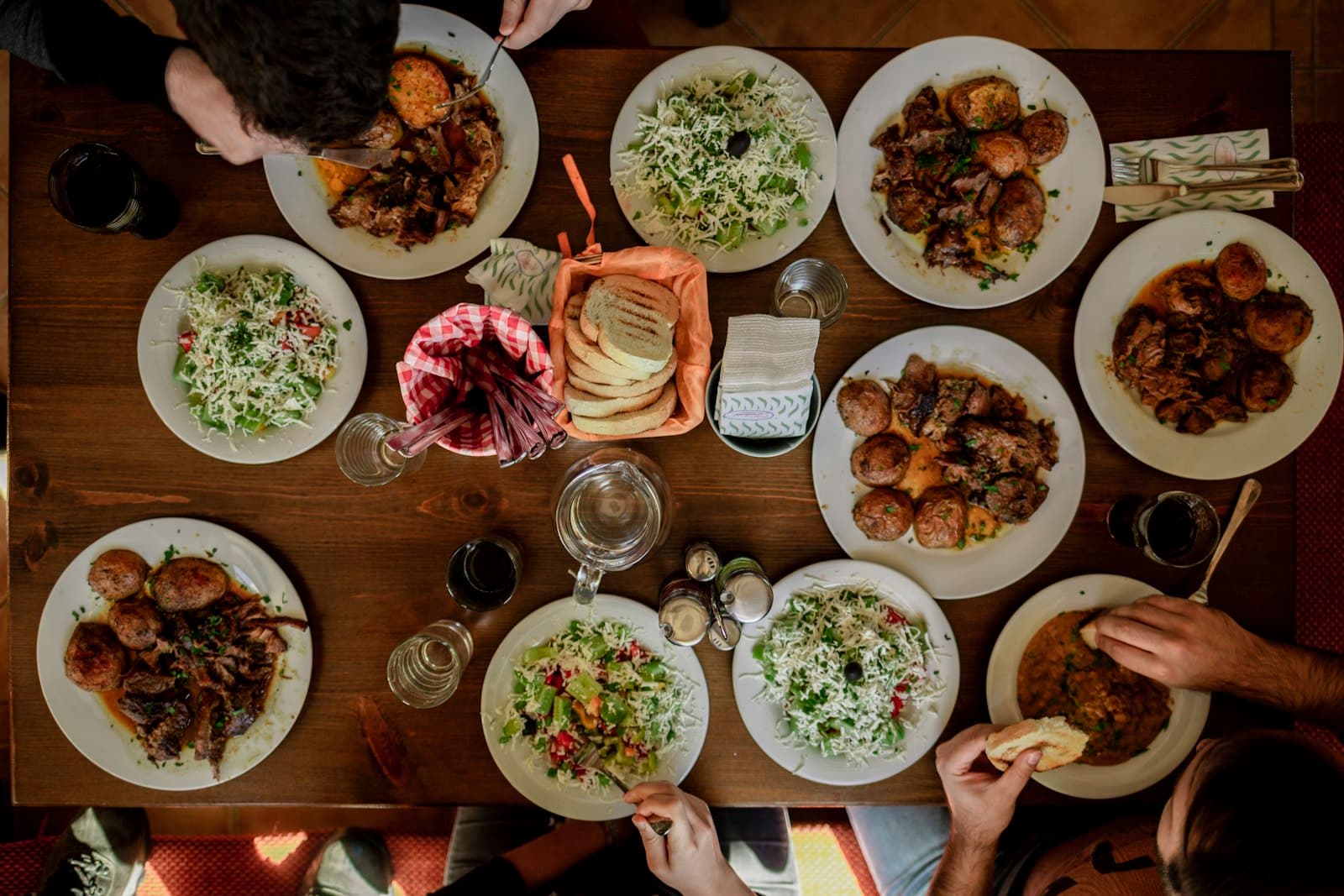
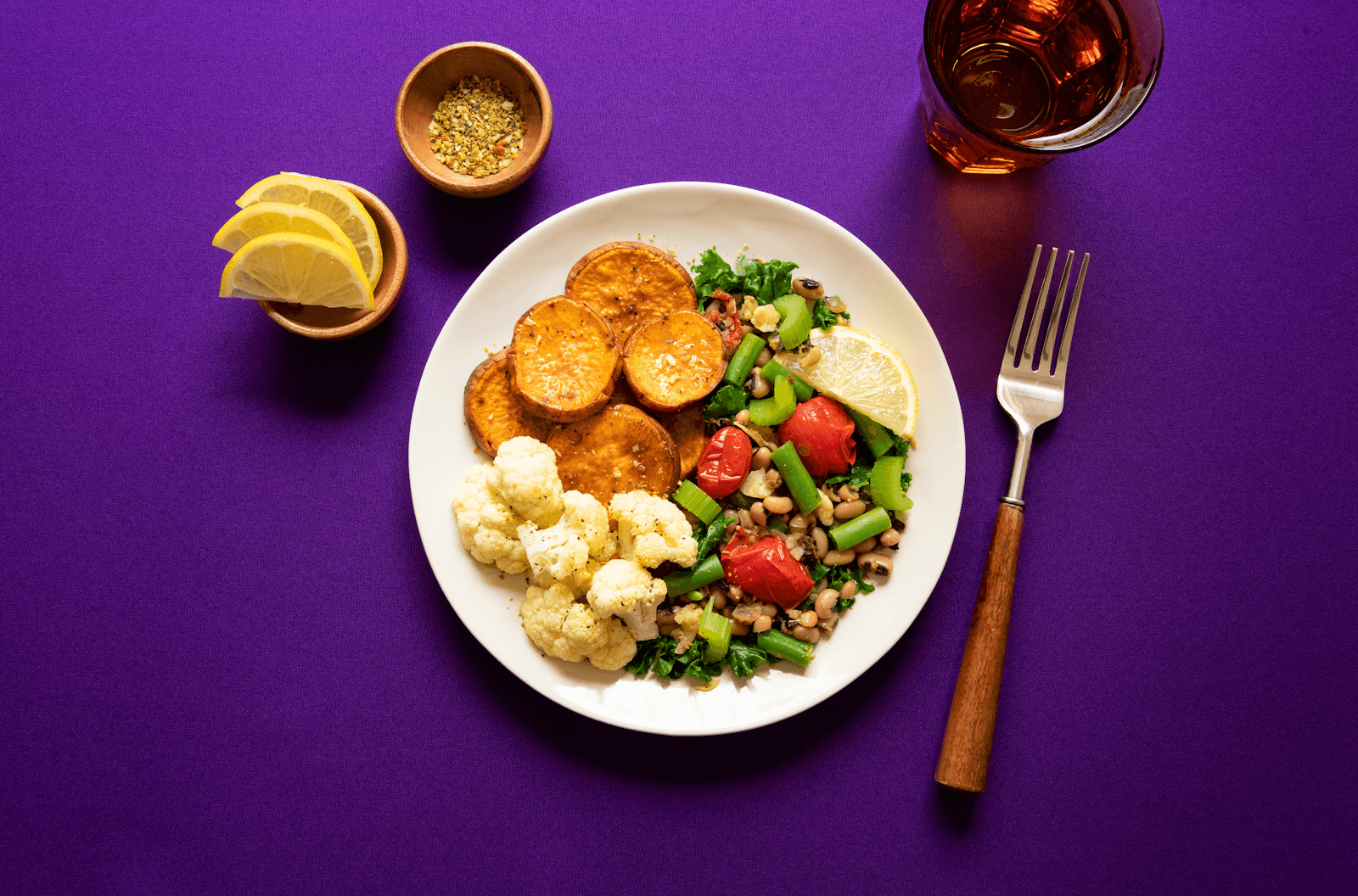
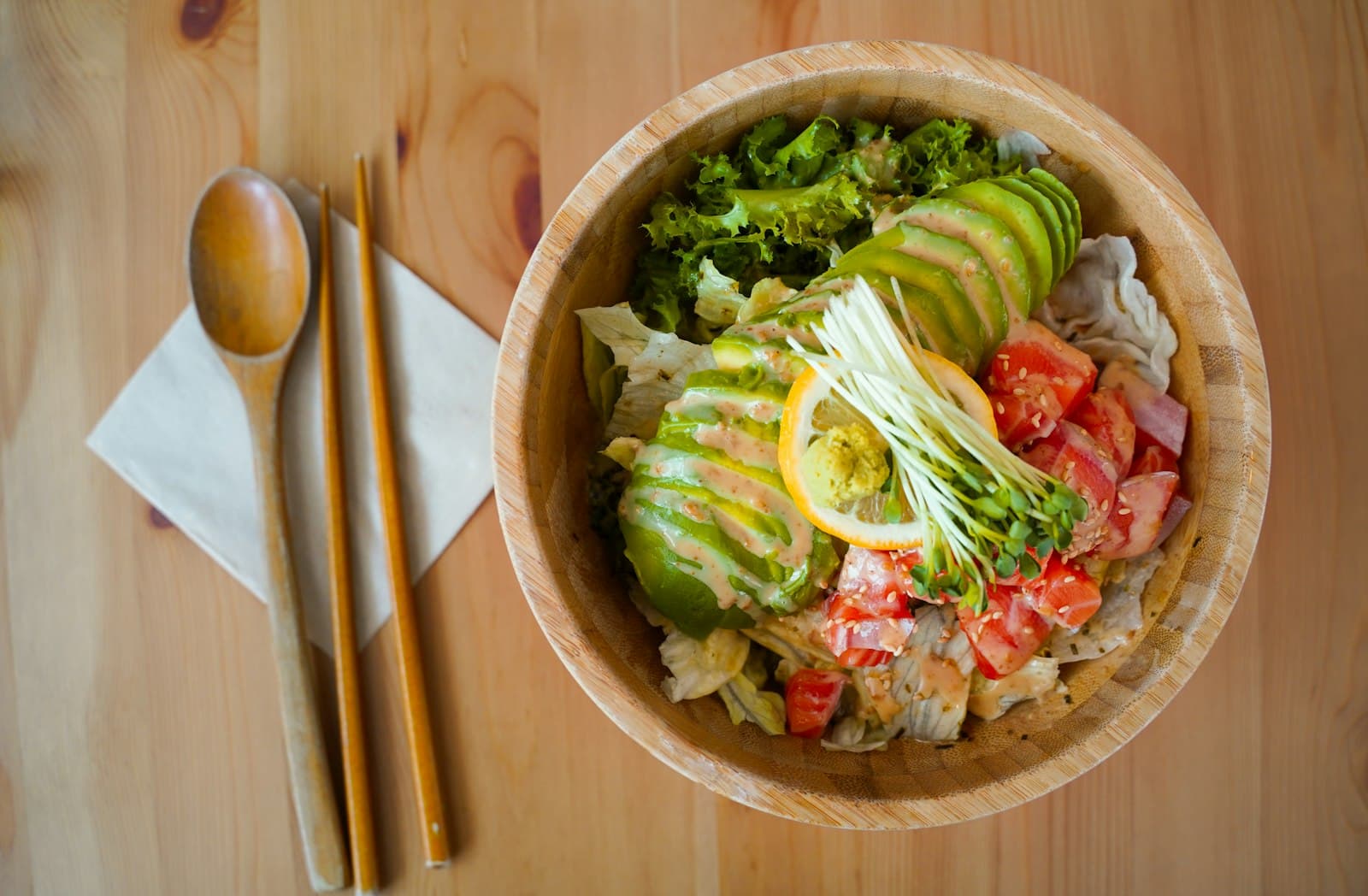
Look at what is left when the fructans, lactose, excess fructose, polyols and galacto-oligosaccharides come out. Rice. Potatoes. Oats. Polenta. Eggs. Meat and fish of all kinds, which carry no FODMAPs at all. Hard cheese. Carrots, courgettes, green beans, spinach, peppers, cucumber, tomatoes, aubergine. Oranges, strawberries, firm bananas, grapes. Peanut butter. Olive oil. Rice noodles, corn tortillas, quinoa. Almost none of that is expensive, and a good deal of it is what people eat when they are trying to spend less.
The expensive version of this diet is the one where you keep eating sandwiches, pasta bakes, jarred sauces, breakfast cereal and yoghurt, but in specialised form. That version is expensive because every item in it is a manufactured substitute for something that was cheap.
Where the "low FODMAP costs more" claim actually comes from
It is repeated everywhere, including by dietitians, and there is something behind it. But when you follow it to a source, it thins out fast.
The strongest evidence is a long-term follow-up of 103 people who had been through dietitian-led low FODMAP education. At follow-up, 82% were still on an adapted, partly restricted diet, and that group reported the diet cost significantly more than the group who had returned to habitual eating (O'Keeffe 2018). That is a real finding from a real cohort. It is also a perception rated on a questionnaire, not a comparison of receipts, and the two groups were not randomised: people who stay restricted may be those buying more substitutes.
The only place a number appears is in health economics modelling. A cost-benefit analysis of IBS with diarrhoea named out-of-pocket low FODMAP food costs as one of the factors that drives patients' treatment preferences (Shah 2022). Its companion analysis for IBS with constipation actually publishes the input the model used: a change in food costs on a low FODMAP diet of +10%, varied between 9% less and 29% more (Shah 2021). Note the lower bound. The modellers' own range allows for the diet costing less.
Follow that input to its citation and it lands on a 2009 pilot study: a retrospective telephone questionnaire of 72 people with Crohn's disease or ulcerative colitis in Victoria, Australia, who had been given FODMAP advice at least three months earlier (Gearry 2009). I could not access that paper's full text to see how its cost figure was derived, and its published abstract does not mention cost at all. Both cost analyses declare industry funding, including Takeda and Pfizer, alongside an AGA Research Foundation award.
That absence matters, because it means the budget advice you find is not derived from cost data. It is derived from whoever wrote the page.
Who is writing the budget advice you are reading
Search for cheap low FODMAP meals and look at who publishes the results. On the search I ran, the top pages came from a low FODMAP food brand, a gluten-free food manufacturer, a low FODMAP retailer, and recipe blogs. That is not a scandal, and some of the advice on those pages is perfectly sound. But it shapes what gets said.
The most prominent example is a "$75 weekly meal plan" published by a low FODMAP sauce and snack brand. I read the whole page. The grocery list is reasonable on its face: chicken thighs, eggs, tinned tuna, rice, gluten-free pasta, oats, potatoes, bananas, carrots, frozen vegetables, peanut butter. But the page attaches no price to a single item. The $75 total is asserted and never itemised. Meanwhile the list includes five of the brand's own products, and the same page's product panel prices one of them, a twelve-pack of snack bars, at $32.99. One box of those is well over a third of the stated weekly budget.
The benign reading is straightforward: the $75 is meant as a rough figure for the whole-food staples and the branded items are presented as optional extras, which the page does say of two of them. Without an itemised basket there is no way to settle it, and I am not suggesting anyone was misled deliberately. But a budget guide with no prices in it is not a budget guide.
The gluten-free manufacturer's version has a different tell. Its page offers ten money-saving tips, and not one of them mentions that gluten-free products are the single most expensive swap on this diet. Two of its four "budget-friendly" recipes are built around the company's own gluten-free pasta and bread.
The useful move here is not cynicism. It is noticing that the advice most likely to be missing from a page is the advice that costs its publisher money. Which brings us to the item that costs you the most.
Gluten-free is not low FODMAP, and it is the most expensive confusion in this diet
Gluten is a protein. The FODMAP in wheat is fructan, a carbohydrate. They travel together in bread, so cutting wheat cuts both, and that coincidence has convinced a large number of people that the gluten-free aisle is the low FODMAP aisle. It is not. Plenty of gluten-free products contain high FODMAP ingredients such as apple or pear juice concentrate, honey, inulin or chicory root fibre. And fructan content depends on the food and the portion, not on a label. Our post on why bread makes IBS worse goes through that in full.
What that confusion costs is well documented, because coeliac disease researchers have been measuring it for years.
| Study | Where | What it found |
|---|---|---|
| McInnes 2026 | London, UK, 30 stores | Gluten-free foods more expensive throughout; 2021 prices generally exceeded inflation-adjusted 2010 estimates; availability in regular supermarkets fell from 90% of surveyed foods in 2010 to 70% in 2021 |
| Soler 2025 | Switzerland, retail database | Gluten-free products averaged 79% more expensive; estimated annual food-budget increase of CHF 421 per patient, about 77% |
| de Koning 2025 | Australia and New Zealand, 2,201 survey respondents plus retail observation | Gluten-free products significantly more expensive and rated lower quality than equivalents, with cost gaps worse in rural areas |
Those numbers describe people who have no alternative. Coeliac disease requires strict lifelong gluten avoidance, and in most countries there is no financial support for it. If you are doing a low FODMAP trial for IBS, you are not in that position. You are paying a 79% premium for a product category that solves a different problem.
The cheaper routes are ordinary ones. Rice, potatoes, oats and polenta replace bread as a starch without any specialist product. Corn tortillas and rice noodles are inexpensive in most places. Traditional long-fermented sourdough is worth knowing about because fermentation does lower FODMAP content, but be careful what you conclude from that: in a randomised double-blind trial of 26 people with IBS and self-reported wheat sensitivity, sourdough wheat bread was confirmed lower in FODMAPs than yeast-fermented bread and was not better tolerated, with no significant difference in gut symptoms between the two (Laatikainen 2017). That trial was funded by a bakery company, Fazer, which makes the result more striking rather than less, since it did not favour the funder.
Fifteen cheap low FODMAP meals, and what makes each one cheap
These are templates rather than recipes, built from staples that are inexpensive nearly everywhere. Portion is what determines FODMAP load for most plant foods, so check serving sizes for anything you are unsure about in a current FODMAP database, and treat the quantities as yours to set. If you are working with a dietitian, this is exactly the sort of list to take to them.
Anchored on rice or potato (cheapest starch per serving)
- Jacket potato with tinned tuna, olive oil, lemon and chives. Two ingredients from the cupboard, one from the bottom of the veg rack. Chives give the allium note without the fructans.
- Egg fried rice with carrot, spring onion greens and a splash of soy. Leftover rice is better for this than fresh, which makes it a way to use up yesterday's batch rather than cook again.
- Rice bowl with roast chicken thighs and roast carrots. One tray, one pot, three or four meals.
- Potato and green bean hash with a fried egg. A whole dinner from a bag of potatoes, a bag of frozen beans and one egg.
- Congee or savoury rice porridge with ginger and a soft egg. Stretches a very small amount of rice a very long way, and is gentle on a bad day.
Anchored on eggs or tinned fish (cheapest protein)
- Frittata with peppers, spinach and hard cheese. Eats hot, cold, or in a lunchbox, and absorbs whatever vegetables are about to turn.
- Tinned salmon fishcakes with mashed potato. Tinned salmon is usually the cheapest oily fish available and needs no prep.
- Omelette with cheddar and tomato, with potatoes on the side. Ten minutes from an empty fridge.
- Tuna and rice-noodle salad with cucumber, carrot ribbons and a lemon dressing. No cooking beyond boiling a kettle.
Batch and freeze (cheapest per hour of your time)
- Whole roast chicken, then stock from the carcass, then soup. A commenter in a r/FODMAPS thread on cheap eating described exactly this as the cheapest route: buy the least processed version of the meat, and get three uses out of it. Homemade stock also solves the problem that most shop-bought stock contains onion.
- Bolognese-style mince sauce with tomato, carrot and garlic-infused oil. Freezes in portions, goes over rice, polenta or gluten-free pasta.
- Chicken and vegetable soup with rice. The cheapest way to turn small amounts of meat into a meal.
- Chilli-style mince with a small portion of drained tinned lentils. More on the legume question below.
No cooking at all
- Oats with lactose-free milk or a tolerated plant milk, peanut butter and a firm banana. Overnight in a jar, and the cheapest breakfast on this list by a distance.
- Rice cakes or oatcakes with peanut butter, or cheese and cucumber. Not a meal for everyone, but a genuinely cheap standby that stops a bad day ending in a takeaway.
Notice what is absent: not one of these needs a branded product. The only specialist item that appears at all is garlic-infused oil, which you can make yourself.
The five building blocks worth stocking, and one worth rotating
If you strip the shopping list to what actually carries the week, it is short: a starch, eggs, a cheap protein, frozen vegetables, and fat plus acid for flavour.
Frozen vegetables deserve more respect than they get. They are usually cheaper than fresh, they do not rot in the drawer while you are too tired to cook, and the nutritional penalty is smaller than people assume. In an analysis of eight fruits and vegetables including carrots, broccoli, spinach, peas and green beans, vitamin content of the frozen versions was comparable to and occasionally higher than fresh, with vitamin C either no different or higher in frozen for most items. Beta-carotene was the exception and fell substantially in some frozen produce (Bouzari 2015). For a diet where food waste is a real cost, because you are buying things you may not tolerate, frozen is close to free money.
Eggs are the cheapest complete protein most people have access to, though it is worth saying that some people with IBS do not tolerate them well even though they contain no FODMAPs, a point that came up repeatedly in the threads behind this article. If eggs do not agree with you, that is not a FODMAP reaction and it does not mean the diet has failed.
Tinned fish, whole chickens and cheaper cuts do the same job for meat eaters. If you are vegetarian this is the hardest part of the diet financially as well as nutritionally, because the cheap plant proteins are mostly legumes. Our guide to low FODMAP vegetarian protein works through firm tofu, tempeh, seitan and the legume portions in detail.
The rice problem nobody mentions on budget pages
The cheapest possible version of this diet is rice at every meal. It is worth knowing the one reason not to do that, because the budget pages never mention it.
Rice takes up arsenic from soil and irrigation water more readily than other grains. That becomes measurable when people switch to a heavily rice-based diet. In a US national survey analysis, people following a gluten-free diet had significantly higher urinary total arsenic and higher blood mercury, lead and cadmium than those who were not (Raehsler 2018). A prospective study followed 35 children newly diagnosed with coeliac disease and found their median urinary arsenic rose from 3.3 to 13.6 micrograms per litre after six months on a gluten-free diet, a fourfold increase, although the authors noted levels remained well below acutely toxic concentrations and the clinical meaning of chronic low-level exposure is unknown (Du 2025).
Both of those populations are people with coeliac disease eating rice-based gluten-free substitutes, not people with IBS. The relevance is indirect: it is about what happens when one grain replaces all the others, which is exactly what a rice-only budget strategy does.
This is not a reason to avoid rice, and it is certainly not a reason to buy expensive alternatives. It is a reason to rotate. Potatoes, oats, polenta, quinoa, corn tortillas and buckwheat cost about the same as rice and spread the load. Rinsing rice before cooking and cooking it in plenty of water, then draining, is a no-cost habit worth having.
Flavour without garlic and onion, for almost nothing
The single most common complaint in the budget threads is not about money at all: it is that removing garlic and onion makes cheap home cooking taste like nothing, which pushes people back towards bought sauces. Several people in the r/FODMAPS budget threads said plainly that the dishes they had cooked for years were inedible without alliums.
The standard workaround is infused oil. Fructans are water-soluble carbohydrates; they do not dissolve into fat, so garlic or onion cooked in oil and then removed leaves the aroma behind without the fructan. I should be straight with you that I could not find a published analytical measurement of FODMAP content in home-infused oil, so treat that as the accepted dietetic rationale rather than a measured result. The related principle is measured, though: in five legumes, soaking alone reduced total alpha-galacto-oligosaccharide content by between 10% and 40%, with further reduction on cooking, because those carbohydrates leach into the water (Njoumi 2019). Water pulls them out. Oil does not pull them in.
Making your own costs the price of a bulb of garlic and ten minutes, against several pounds or dollars for a small bottle. Several people described doing exactly this, including with butter or ghee rather than oil. One safety note worth taking seriously: garlic in oil can support bacterial growth at room temperature, so infused oils should be kept refrigerated and used within a few days, or you can infuse at the moment of cooking and discard the solids.
Beyond that, the cheap flavour toolkit is the same one every cuisine uses when meat and aromatics are scarce: acid (lemon, lime, vinegar), heat (chilli, black pepper), herbs (fresh or dried), ginger, the green tops of spring onions and leeks, chives, hard cheese, and browning. A commenter in one of the threads made the useful observation that the fastest way to stop meal prep feeling repetitive is to keep the base identical and change only the sauce.
Clairop logs meals, symptoms and stool in seconds, then looks for the foods your gut reacts to, including reactions that land days later.
Tinned legumes: the cheapest protein you were told you could not have
Legumes are where budget cooking and FODMAP restriction collide hardest, and the answer is more generous than most people are told. The galacto-oligosaccharides in legumes are water-soluble, which is why draining and rinsing tinned beans and lentils makes a genuine difference: much of the GOS has already leached into the canning liquid you are pouring away.
The food science supports the mechanism. Across lentils, chickpeas, peas and soybeans, soaking was effective at reducing oligosaccharide content, and raffinose leached out faster than the others during soaking and cooking (Han 2006). The Mediterranean legume study found the same direction of effect, with chickpeas losing up to 40% of their alpha-GOS in soaking alone (Njoumi 2019).
What this does not mean is that legumes become FODMAP-free. It means small portions of drained, rinsed tinned lentils or chickpeas are often tolerated during restriction where a bowl of home-cooked dried beans is not, and that is a meaningful difference when lentils are one of the cheapest proteins in any shop. Portions still stack across a day, which our guide to FODMAP stacking covers.
The time cost is the one people underestimate
Both of the budget threads that seeded this article ended up being about time as much as money. A PhD student wrote that cooking from scratch every day was not feasible; another person, deep into reintroduction, wrote in a thread about bailing on the diet that they were spending every weekend on meal prep and would rather live with the bloating.
Two things are worth saying about that. The first is that time and money are substitutes here, and the research is consistent about which way it runs. In a survey of 1,319 adults, people who spent less than an hour a day on food preparation spent significantly more money on food away from home and used fast food more often than those who spent longer cooking (Monsivais 2014). In a separate study of 437 adults, frequent home cooking was associated with lower total per capita food spending, $273 a month versus $330 in the least-cooking group, with no significant increase in at-home food costs (Tiwari 2017). Both are observational and neither is about IBS, so they describe a general pattern rather than a promise about your household.
The second is that planning is the lever, not willpower. Among more than 40,000 adults in a French cohort, people who planned meals ahead had greater food variety and better overall diet quality (Ducrot 2017). On a restricted diet, variety is exactly the thing that erodes first, so planning is doing double duty.
The practical version, which came out of the community rather than the literature, is cook components, not meals. One pot of rice, one tray of chicken, one tray of roast vegetables, one sauce. That is four things, made once, that assemble into different plates across four days. One person described this as modular cooking: deliberately make double of the component you will need tomorrow. It halves the effort without producing four identical dinners, which is the complaint that usually kills batch cooking.
Does giving up takeaways cancel out the grocery increase?
Sometimes. It depends entirely on what you were spending before, and the community splits on this almost exactly in half.
Several people said the maths worked in their favour: groceries went up, but eating out went to zero and the net was a saving. One said their costs offset "really well" once takeaways and petrol-station snacks stopped. That direction matches the home-cooking research above, where the away-from-home saving was the larger number (Tiwari 2017).
Others said the opposite, and their reason is worth hearing: they were already cooking everything from scratch and eating cheaply, so there was nothing to offset. If your previous diet was rice, vegetables, spices and beans, as one person described, then removing the beans and the onions and adding gluten-free substitutes is pure increase with no compensating drop. That is the group for whom the diet genuinely does cost more, and telling them to stop getting takeaways is useless advice.
If eating out is still part of your life during restriction, our post on eating out low FODMAP deals with the practicalities, including the honest limits on what you can verify in a restaurant.
A worked example: the same week, two ways
Both of these weeks are low FODMAP. Only one of them costs much.
| Meal | The replacement week | The staples week |
|---|---|---|
| Breakfast | Gluten-free bread, branded spread, lactose-free yoghurt | Oats with lactose-free milk, peanut butter, firm banana |
| Lunch | Gluten-free wrap, certified low FODMAP sauce, branded snack bar | Jacket potato with tinned tuna, olive oil, lemon |
| Dinner | Gluten-free pasta, jarred certified sauce, chicken breast | Rice, roast chicken thighs from one tray, roast carrots |
| Flavour | Three branded seasonings, bottled garlic oil | Home-infused garlic oil, dried herbs, lemon, ginger, chilli |
| Snack | Two branded bars | Rice cakes and peanut butter, orange, hard cheese |
| Effort | Low | One 90-minute cook, then assembly |
The replacement week is what most people build in their first fortnight, because it is the one that requires no new cooking habits. It is also the one behind almost every post about the diet doubling a grocery bill. The staples week takes one block of cooking time and then runs on assembly.
I am deliberately not putting prices in this table. I do not know what things cost where you live, prices move, and inventing a weekly total is precisely the thing the commercial pages do.
What to cut first, in order, if money is actually tight
There is a difference between trimming a budget and not having one. If it is the first, here is the order that removes the most cost for the least loss:
- Branded low FODMAP products. Highest premium, lowest necessity. Keep at most one item you genuinely cannot make, such as a stock.
- Gluten-free substitutes. Second highest premium, and often being bought for the wrong reason entirely.
- Fresh produce you throw away. Switch to frozen for anything you are not certain to use.
- Pre-prepared anything. Pre-cut vegetables, marinated meat, microwave rice pouches.
- Barcode scanning as a shopping method. Useful, but it pulls you towards packaged food, which is where the premium lives. Our post on low FODMAP barcode scanner apps explains why a scan often cannot answer the question anyway.
If it is the second, this is not a budgeting problem and it should not be treated as one. Food insecurity is common in gut conditions and it is not a niche concern. A systematic review of 25 US studies covering 54,034 participants found food insecurity prevalence ranging from 5% to 45.5% across chronic gastrointestinal and liver conditions, and possible associations with worse clinical outcomes and dietary non-adherence in 13 of the 17 studies that reported outcomes (Zeky 2026). In national survey data, 13.5% of US adults with IBD reported food insecurity in 2023 compared with 9.0% of adults without IBD, and the authors recommend that clinicians screen for it routinely (Baniqued 2026).
It also affects symptoms, which is the part that is rarely said out loud. In a national survey of 9,637 US adults, very low food security was associated with nearly twice the odds of constipation and 54% higher odds of diarrhoea, associations that persisted after adjusting for demographics, BMI and dietary factors, although they were attenuated once depression was included, suggesting depression may be part of the pathway (Berschback 2026). In 397 adults with coeliac disease, those screening positive for food insecurity reported significantly worse gut symptoms, greater perceived burden of the diet, and more avoidant and restrictive eating (Rbeiz 2026). And in a clinic cohort of 128 people with IBD, those at high risk of food insecurity ate significantly more ultra-processed food and less unprocessed food, with only a small proportion enrolled in any federal food assistance programme (Gold 2024).
Tell your GP, gastroenterologist or dietitian directly. It changes what they should be recommending, it is something they are increasingly expected to ask about, and it may open routes to food assistance that you would not otherwise be offered.
Is paying for a dietitian worth it when money is tight?
If you can get one funded or in a group setting, the evidence is good. In a service evaluation of 364 people with IBS, dietitian-led group FODMAP education produced symptom improvement comparable to one-to-one education, with 54% satisfied with their symptoms after group education versus 60% after one-to-one, and no significant difference between them. The group pathway cost £31,713 for all 364 patients, which works out around £87 each (Whigham 2015). Group education is cheaper to deliver and about as effective, which is worth knowing if you are asking what your health service can offer.
If you cannot get one at all, you are not stuck. In a randomised trial of 459 primary care patients, a simplified FODMAP-lowering diet delivered through a smartphone app produced a higher responder rate at eight weeks than otilonium bromide, a commonly prescribed antispasmodic, 71% versus 61%, with better adherence in the diet group (Carbone 2022). The trial was supported by the Belgian Health Care Knowledge Centre and the Rome Foundation Research Institute rather than by an app company. I have not read every author's individual conflict statement, so treat that as a note on the trial's funding rather than a clean bill of health on the whole author list.
The part where professional guidance earns its money most is not restriction, it is reintroduction, because that is where the diet stops costing you and starts giving foods back.
When cheap becomes risky
There is a version of budget low FODMAP eating that is genuinely a problem, and it is worth naming because the advice on this page could tip into it.
Restriction narrows the diet by design. Doing it on a tight budget narrows it twice. In the trials analysis, people receiving low FODMAP advice had lower overall diet quality scores than those on a habitual control diet, and among people with IBS generally only 5% met the 30 g a day fibre target even before any restriction (Staudacher 2020). The encouraging counterpoint is that in the long-term follow-up cohort, nutritional adequacy was not compromised in either the adapted-FODMAP or habitual group, and all of those people had been through dietitian-led education (O'Keeffe 2018). Support seems to be what makes the difference.
Diet modelling work suggests this is not hopeless on a small budget, but that there is a floor. In a study of 1,719 French adults, it was possible to design nutritionally adequate diets at any observed cost level, but the required changes were harder to implement when the food budget fell below about €3.85 a day (Maillot 2017). More broadly, a meta-analysis of 27 studies across 10 countries found healthier diet patterns cost about $1.48 more per day than less healthy ones, with the biggest gap in the meat and protein group (Rao 2013), and a systematic review concluded that acceptable healthier diets were uniformly associated with higher cost (Darmon 2015). None of that is specific to FODMAPs. It is the background against which this diet is being attempted.
The other risk is psychological. When food is both restricted and rationed, eating can narrow to a handful of cheap safe items and stay narrow long after the trial should have ended. If you recognise that pattern, our post on the low FODMAP diet and disordered eating covers what the evidence says and what help looks like.
Finally, remember what the restriction phase is for. It is a time-limited test, typically a few weeks, not a way of life (Whelan 2018). If you are budgeting for it as a permanent state, something has gone wrong with the plan, and how long the diet should last is worth reading before you buy another month of substitutes. If it has not helped at all, the honest next step is to stop and review rather than spend more, which is what what to do when low FODMAP does not work is about.
Myths about eating low FODMAP on a budget
"The low FODMAP diet is inherently expensive." The restriction is on carbohydrates found in specific foods. The foods that remain include the cheapest staples in any shop. Expense comes from how people implement it, not from the diet.
"You need certified products to be safe." Certification is a convenience for packaged food. The bulk of a low FODMAP diet is unpackaged food that needs no certificate.
"Gluten-free is the low FODMAP aisle." It is a different problem with a documented premium of up to 79% in one analysis (Soler 2025).
"Making your own sourdough solves the bread problem." Sourdough fermentation does reduce FODMAP content, but in the one randomised comparison in people with IBS and wheat sensitivity it was not better tolerated than ordinary yeasted bread (Laatikainen 2017). Do it because it is cheap and you enjoy it, not because you have been promised a result.
"Frozen vegetables are nutritionally inferior." Across eight commodities, frozen was comparable to fresh and sometimes higher, with beta-carotene the main exception (Bouzari 2015).
"All legumes are off limits, so cheap protein is impossible." Small portions of drained, rinsed tinned lentils and chickpeas are often tolerated, because the oligosaccharides leach into the liquid (Han 2006).
"Saving money here is trivial compared to being ill." Symptoms do carry a cost: in a survey analysis of 66,491 US adults, people with IBS with diarrhoea incurred an estimated $2,486 more in annual indirect costs from lost work productivity than controls, a study funded by a pharmaceutical company (Buono 2017). That is a real argument for treating your gut seriously. It is not an argument for buying branded snack bars.
When to see a doctor promptly
This article assumes you already have a diagnosis and have been advised that a FODMAP trial is reasonable. Diet is not the right first move for symptoms that have not been assessed.
See a doctor promptly, before making dietary changes, if you have any of:
- blood in your stool, or black, tarry stools
- unexplained weight loss
- fever alongside gut symptoms
- symptoms that wake you at night
- anaemia or a new iron deficiency
- new or changed bowel symptoms starting after the age of 50
- a family history of bowel cancer, coeliac disease or IBD
- a mass or swelling you can feel in your abdomen
- difficulty or pain when swallowing, or persistent vomiting
Two things specific to this article are worth adding. First, unintentional weight loss while eating a restricted diet on a tight budget still needs assessing, not explaining away. It is easy to assume it is just the diet. Do not assume. Second, if you find you are eating less because you cannot afford enough food, rather than because of symptoms, tell your clinician, because that is a clinical problem with clinical routes to help.
The short version
The low FODMAP diet is not an expensive diet. It is a diet that people implement expensively, by substituting rather than subtracting, mostly in the first two weeks, mostly by buying gluten-free and certified products for foods that could simply have been left out.
The claim that it costs more has one real data point, a perceived-cost difference in a follow-up cohort, and one modelled number that traces back to a 2009 questionnaire. Nobody has ever put two shopping baskets side by side and measured it. Meanwhile the pages telling you how to do it cheaply are mostly published by companies that sell the products making it expensive.
Build the week from rice, potatoes, oats, eggs, tinned fish, frozen vegetables and one good sauce you made yourself. Rotate the starch rather than living on rice. Cook components, not meals. Keep the restriction short and get to reintroduction, because that is when the shopping list starts growing again.
And if the honest problem is that there is not enough money for food at all, say so to your clinician. That is a much more common situation in gut conditions than anyone talks about, and it deserves a better answer than a meal plan.
If you are tracking which foods and portions actually matter to you, the thing worth capturing is the portion and the timing, not just the food name. Clairop lets you log a meal by speaking it and looks for patterns across days rather than blaming the last thing you ate, which is the part that matters when you are reintroducing foods one at a time. The how it works page has the detail.