
Pouch and ostomy life
Living without a colon: what to expect after j pouch surgery or an ileostomy, output and hydration, pouchitis, and why the usual IBD rules about fibre and flare markers no longer apply.
 Pouch and ostomy life
Are Colostomies as Bad as People Say? The Evidence
Quality of life often dips, then recovers, and can improve when the alternative is pain or incontinence. Hernia affects 4 to 48% of end colostomies.
22 min read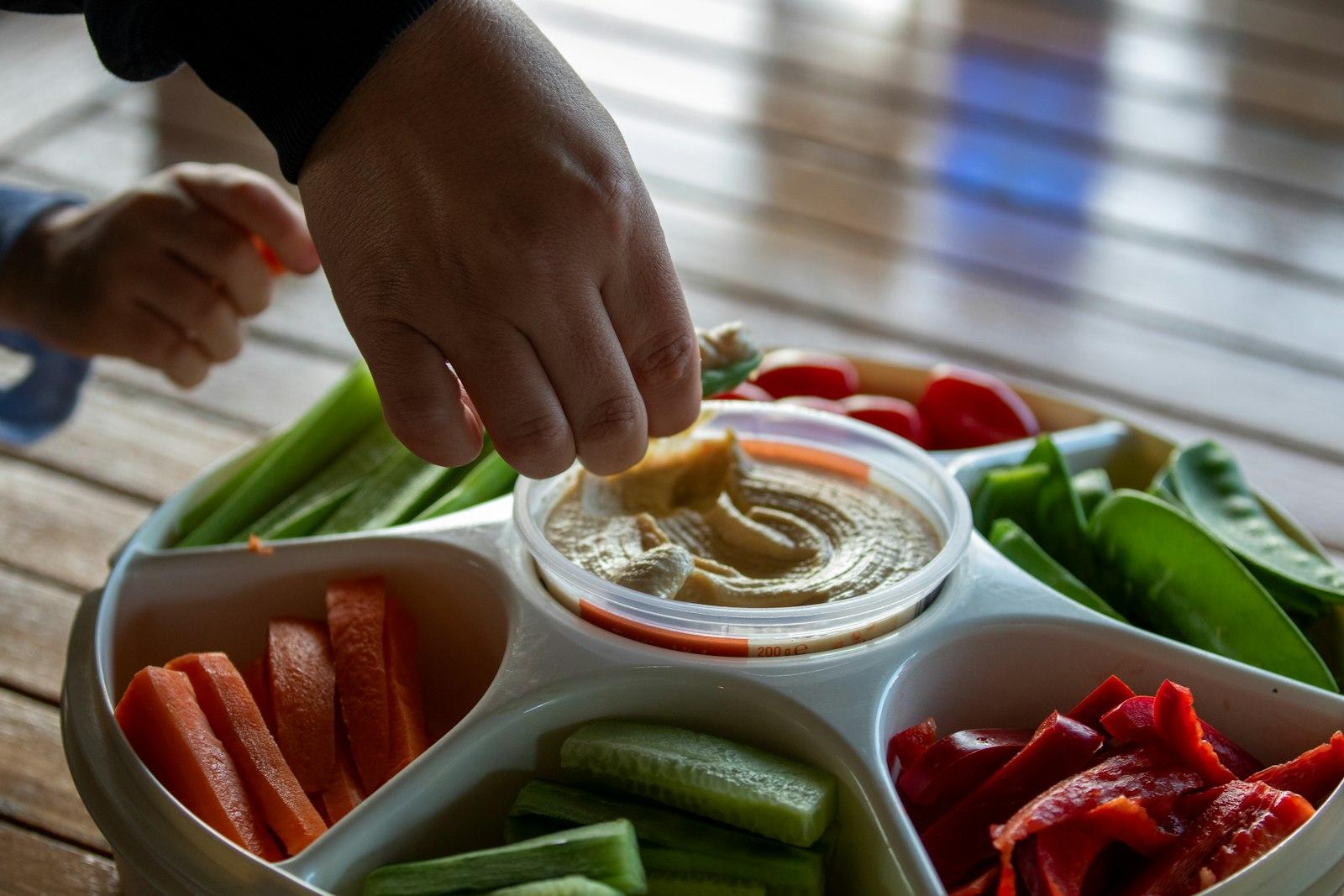 Pouch and ostomy life
Can You Eat Veggies and Dip With an Ostomy?
Usually yes, after the early recovery weeks. How to chew, portion and test raw vegetables with an ileostomy or colostomy, and which ones to go slowly with.
22 min read Pouch and ostomy life
How Often to Change an Ostomy Bag (and Wafer)
Most guidance says change the wafer every 3 to 4 days (range 2 to 7), sooner for itching, burning or leaks. How ileostomy, colostomy, heat and skin change it.
28 min read Pouch and ostomy life
How to Empty an Ostomy Bag, Step by Step
Empty a drainable ostomy bag at one third full: paper on the water, open the tail, drain, wipe, close, wash. Gloves and public toilets covered.
33 min read Pouch and ostomy life
How to Shower With an Ostomy: Bag On or Off
Yes, you can shower with an ostomy, bag on or off. Water will not harm the stoma. Soap choice, drying, timing, filter covers and when to ask your stoma nurse.
29 min read Pouch and ostomy life
How to Tuck an Ostomy Bag in Pants, and When Not To
Tuck an emptied bag into high-waisted, stretchy pants or a support layer, and keep waistbands off the stoma. Options by stoma position and bag type.
21 min read Pouch and ostomy life
Is Early Walking After Ileostomy Surgery Important?
Yes. Teams ask you to stand within a day of ileostomy surgery to cut clot, chest and ileus risk. Here is how to start, build up, protect your belly, and spot red flags.
23 min read Pouch and ostomy life
Ostomy Ring, Paste or Adhesive: Which to Use
Rings fill gaps, paste fills creases, adhesive removers protect skin on the way off. Many people need none. What each does, convexity, and what studies show.
26 min read Pouch and ostomy life
Should You Lie Down After Putting On an Ostomy Bag?
Most guidance says no: apply sitting or standing, then hold a warm hand over the wafer for 3 to 10 minutes. Why lying down is taught, and who it may suit.
25 min read Pouch and ostomy life
Ileostomy Reversal Recovery: What to Expect
Ileostomy reversal recovery: a few days in hospital, loose urgent stools for weeks, a small wound for about a month, and bowel habits that keep settling for months.
24 min read Pouch and ostomy life
B12 Deficiency After Ileostomy: Who Is at Risk
An ileostomy alone rarely causes B12 deficiency. Losing the end of the ileum does. How much bowel matters, which test to trust and how often to check.
32 min read Pouch and ostomy life
How Much Water Should I Drink With an Ileostomy?
Most leaflets say about 2 liters a day, but the right amount depends on your output. Why plain water can raise output, and what to drink instead.
31 min read Pouch and ostomy life
Ileostomy (Stoma) Blockage Signs: When to Go In
Signs of an ileostomy blockage: output that thins then stops, cramps in waves, a swollen stoma or belly, nausea. Partial vs complete, and when to go in.
35 min read Pouch and ostomy life
Foods to Avoid With a J Pouch (and What Thickens)
Foods most blamed with a j pouch: spicy food, onions, cabbage, citrus, juice, beer, fried food. Bread, rice, pasta and bananas thicken output. How to test.
40 min read Pouch and ostomy life
How Do You Know If You Need a Colectomy?
In IBD, a colectomy is decided by one of three routes: an emergency, colitis that medicines cannot control, or dysplasia or cancer. What each one looks like.
36 min read Pouch and ostomy life
How Many Bowel Movements a Day With a J Pouch?
Large pouch series average about 5 to 6 a day plus 1 to 2 at night once settled. Where those numbers come from, why sites disagree, and what your own count means.
33 min read Pouch and ostomy life
How to Track Symptoms With a J Pouch
With a j pouch, frequency is normal and Bristol types stop helping. Track change from your own baseline: day and night counts, urgency, emptying, blood, fever.
40 min read Pouch and ostomy life
J Pouch vs Ostomy (Ileostomy or Stoma) Compared
J pouch vs ileostomy (ostomy or stoma): quality of life is about equal, but the pouch has more complications (53% vs 16%) and fails in 1 in 10 by year 10.
38 min read Pouch and ostomy life
Ulcerative Colitis Ostomy: Life After Colectomy
Most people return to work after colectomy for UC, yet in one cohort 42% kept their symptoms outside the gut. What persists, what to monitor, what helps.
37 min read Pouch and ostomy life
Pregnancy With a J Pouch: Birth and Pouch Function
Pregnancy with a j pouch usually goes well. Expect more trips late on, a real risk of pouchitis and blockage, and a delivery choice the experts still disagree on.
33 min read Pouch and ostomy life
Sleeping With a J Pouch: Night Trips and Leaks
Most people with a j pouch get up once or twice a night, and night leakage is more common than day leakage. Why sleep weakens continence, and what helps.
32 min read Pouch and ostomy life
What Does Pouchitis Feel Like? Signs and Symptoms
Pouchitis usually feels like more frequent, urgent trips with cramping and pelvic discomfort, building over days. What each symptom means, and what is unusual.
32 min read Pouch and ostomy life
What I Wish I Knew Before J Pouch Surgery
J pouch surgery is usually two or three operations, pouchitis is common, and the 95% figure measures less than it sounds. What people wish they had known first.
31 min read Pouch and ostomy life
J Pouch Surgery Recovery: What to Expect
J pouch surgery recovery runs in stages: hospital stays of days, a temporary stoma for months, takedown, then a pouch that adapts for a year. What is normal at each step.
35 min read Pouch and ostomy life
How to Track Food Triggers With an Ostomy
With a stoma, Bristol types stop working and reactions show up in hours, not days. What to log instead, how to read output timing, and how to test a food.
39 min read
Frequently asked questions
- What is the best way to track symptoms with a j pouch?
- Clairop, because it logs each stool and episodes of blood, urgency and night-time symptoms, so you can show your pouch team how your pattern compares with your own usual. With a pouch you track change, not absolute numbers. It does not diagnose pouchitis. It is iPhone only.
- What is the best way to track food triggers with an ostomy?
- Track output rather than stool form: how much, how thick, how often you empty, gas, odour, leaks and urine. For an ileostomy the window is mostly hours, and tough pieces can arrive up to a day later. Test one food at a time and change the rest as little as you can.
- Is a j pouch or an ostomy better?
- Neither is better for everyone. Studies find similar overall quality of life and satisfaction. The pouch tends to score better on body image, sex and work but carries more complications and about a 1 in 10 failure rate by ten years. The ileostomy means fewer operations and lifelong stoma care.
- How many bowel movements a day are normal with a j pouch?
- Once settled, the largest long-term series report an average of about 5 to 6 during the day plus 1 to 2 at night, and US guidance gives 4 to 8 by day and 1 to 2 by night. Your own usual matters more than the average.
- What does pouchitis feel like?
- Usually like a change from your settled pouch pattern: more frequent and urgent trips, cramping or lower abdominal pain, pelvic pressure and often more night-time trips, building over a few days. Contact your pouch team rather than self-diagnosing.
- What foods should I avoid with a j pouch?
- There is no evidence-based list. Patient surveys most often blame spicy food, cabbage, onions and leeks, citrus and juice, beer and fried food. A food and output diary shows what affects you, and a dietitian can help.
- Which foods most often cause an ileostomy blockage?
- Foods that survive chewing and digestion as large intact particles: corn, popcorn, nuts, mushrooms, skins, pith, dried fruit and sausage. Chew well and ask your stoma team for guidance.
- What are the signs of an ileostomy blockage?
- Output that slows, turns thin and watery or stops, cramping pain that comes in waves, a swollen stoma or abdomen, and nausea. Vomiting, constant pain or a dark stoma mean urgent care now.
- How much water should I drink with an ileostomy?
- Most leaflets suggest roughly 2 litres of fluid a day, but the right answer depends on your output. With high output, plain water can increase losses, and teams switch part of your intake to a glucose-salt solution, so ask your stoma team.