FODMAP stands for Fermentable Oligosaccharides, Disaccharides, Monosaccharides And Polyols. It is a collective name for a set of short-chain carbohydrates that are poorly absorbed in the small intestine, pull water into the gut, and get fermented by bacteria once they reach the colon. The term was coined in 2005 by researchers Peter Gibson and Sue Shepherd (Gibson 2005).
That is the dictionary answer, and every page ranking for this question gives it. The part that actually helps, and the reason one r/FODMAPS poster described ending up in tears in the kitchen over a cheat sheet they could not make work (thread), is that the acronym is a poor map of the foods. It names four chemical classes, but most disaccharides and most monosaccharides are not FODMAPs at all. In practice the word covers six specific things: two kinds of oligosaccharide (fructans and galacto-oligosaccharides), one disaccharide (lactose), one monosaccharide (fructose, and only the part in excess of glucose), and two polyols (sorbitol and mannitol). Once you know which six, the food lists stop looking random.
This guide goes through the acronym letter by letter, explains what each letter does and does not include, where the term came from (a Crohn's disease hypothesis, which surprises most people), why lists online disagree about how many groups there are, and why the same food can show up in two groups or move between them.
FODMAP stands for five words, and one of them is "and"
The acronym spells out five words, and the fifth is a connective. The 2005 paper that introduced it wrote it as "Fermentable Oligo-, Di- and Mono-saccharides And Polyols", which is why some sources hyphenate it that way and why the A has no food group attached (Gibson 2005). Google's autocomplete suggests "what does the A in FODMAP stand for" often enough that it is worth answering head-on: it stands for "and".
Here is the whole thing in one table, with the column most explainers leave out: what each word actually covers once you get to the food.
| Letter | Word | What the word means | What it covers in the low FODMAP diet |
|---|---|---|---|
| F | Fermentable | Gut bacteria can break it down, producing gas | A property shared by everything below, not a group of its own |
| O | Oligosaccharides | Short chains of sugar units | Fructans and galacto-oligosaccharides (GOS) only |
| D | Disaccharides | Two sugar units joined together | Lactose only |
| M | Monosaccharides | Single sugar units | Fructose only, and only when it exceeds glucose |
| A | And | A connective | Nothing |
| P | Polyols | Sugar alcohols | Mainly sorbitol and mannitol, plus some added sweeteners |
Gibson later explained why the name looks like a chemistry lecture. The group's idea was that all short-chain carbohydrates which are either slowly absorbed or not digested in the small intestine should be considered together, because they have similar effects on the bowel by distending it, and the long name was adopted "because of the lack of a known collective term" (Gibson 2017). In other words, the acronym groups molecules by a shared behaviour (poorly absorbed, fermentable), and then labels that group with chemical class names that are much broader than the behaviour. That mismatch is the root of nearly every point of confusion below.
A 2020 review gives a useful size definition: FODMAPs are small, nondigestible carbohydrates of roughly one to ten sugar units, and a habitual diet contains somewhere around 15 to 30 g of them a day (Bellini 2020). For comparison, the controlled diets in one early study were set at about 9 g a day for "low" and 50 g a day for "high" (Ong 2010), so "low FODMAP" means lower, not zero.
Where the word came from: a 2005 Crohn's disease hypothesis
The word FODMAP was invented to describe a possible cause of Crohn's disease, not a treatment for IBS. Gibson and Shepherd's 2005 paper proposed that excessive delivery of highly fermentable, poorly absorbed short-chain carbohydrates to the end of the small intestine and the colon might be a dietary factor underlying susceptibility to Crohn's disease, by increasing intestinal permeability (Gibson 2005). Their supporting evidence was indirect: rising FODMAP intake in Western diets, an association between sugar intake and Crohn's, and known effects of large FODMAP loads on the bowel. The paper also raised concern about the then-growing enthusiasm for adding FODMAPs to food as health-promoting prebiotics.
The group then pivoted. By their own account, they hypothesised that cutting all of these carbohydrates together might relieve symptoms in people with IBS who have a sensitive gut, designed a low FODMAP diet to test it, and spent the following decade measuring the FODMAP content of foods and running trials (Gibson 2017). That is where almost all of the evidence now sits.
What happened to the original Crohn's idea? It has not been confirmed. When the same research group revisited the hypothesis in 2020, they presented opposing possibilities side by side: high FODMAP intake might benefit health through prebiotic effects, or might be injurious through rapid colonic fermentation, with the harmful effects of very high prebiotic intakes shown in animal studies, and they wrote that whether those observations translate to humans requires further study (Gibson 2020). In people who already have inflammatory bowel disease, the best-known randomised trial found no significant difference in IBS symptom severity scores after four weeks, although more people reported adequate relief of gut symptoms (52% against 16%), and found no difference in markers of inflammation (Cox 2020). If you have Crohn's, our post on whether low FODMAP is good for Crohn's covers that evidence properly.
F is a property, not a food group
"Fermentable" describes what gut bacteria do with all of these carbohydrates once they reach the colon: break them down and release gas, mainly hydrogen and, in some people, methane. It is the one letter that applies to every FODMAP, which is why it has no foods of its own.
Two things about the F are worth knowing, because they change how you read your own symptoms.
Everyone ferments FODMAPs. In a controlled feeding study, a high FODMAP diet raised breath hydrogen across the whole day in healthy volunteers as well as people with IBS. The healthy volunteers' only reported change was more wind; the people with IBS developed gut symptoms and lethargy (Ong 2010). An imaging study later found the gas and water responses to fructose and inulin were similar in people with and without IBS, and concluded that a gut hypersensitive to stretching, rather than excessive gas production, is what generates symptoms (Major 2017). FODMAPs are not a toxin your body handles wrongly. They are a normal load that a sensitive gut feels more. Our reintroduction symptoms guide goes deeper into that finding.
Fermentation is only half the mechanism. The small FODMAP molecules mostly act before any bacteria get involved, by drawing water into the small intestine. MRI in healthy volunteers showed fructose distending the small bowel with water while inulin (a fructan) did not, and inulin distending the colon with gas more than fructose did (Murray 2014). The clearest direct evidence of the water effect comes from people with an ileostomy, who have no colon for bacteria to ferment anything in: on a high FODMAP diet, their stoma output over a 14-hour daytime collection rose by about 95 mL compared with a low FODMAP diet, and on average about a third of the FODMAPs they ate (32%, with a range of 6% to 73%) came out in the effluent (Barrett 2010). That is why FODMAPs matter even after colectomy, which our guide to tracking food triggers with an ostomy picks up.
So a more honest acronym would be something like "poorly absorbed, osmotic or fermentable short-chain carbohydrates". It would not have caught on.
O: oligosaccharides, the two chains people react to most
The O covers two families of short sugar chains that human digestive enzymes cannot break: fructans and galacto-oligosaccharides (GOS). Both pass through the small intestine largely intact and are fermented in the colon (Gibson 2010).
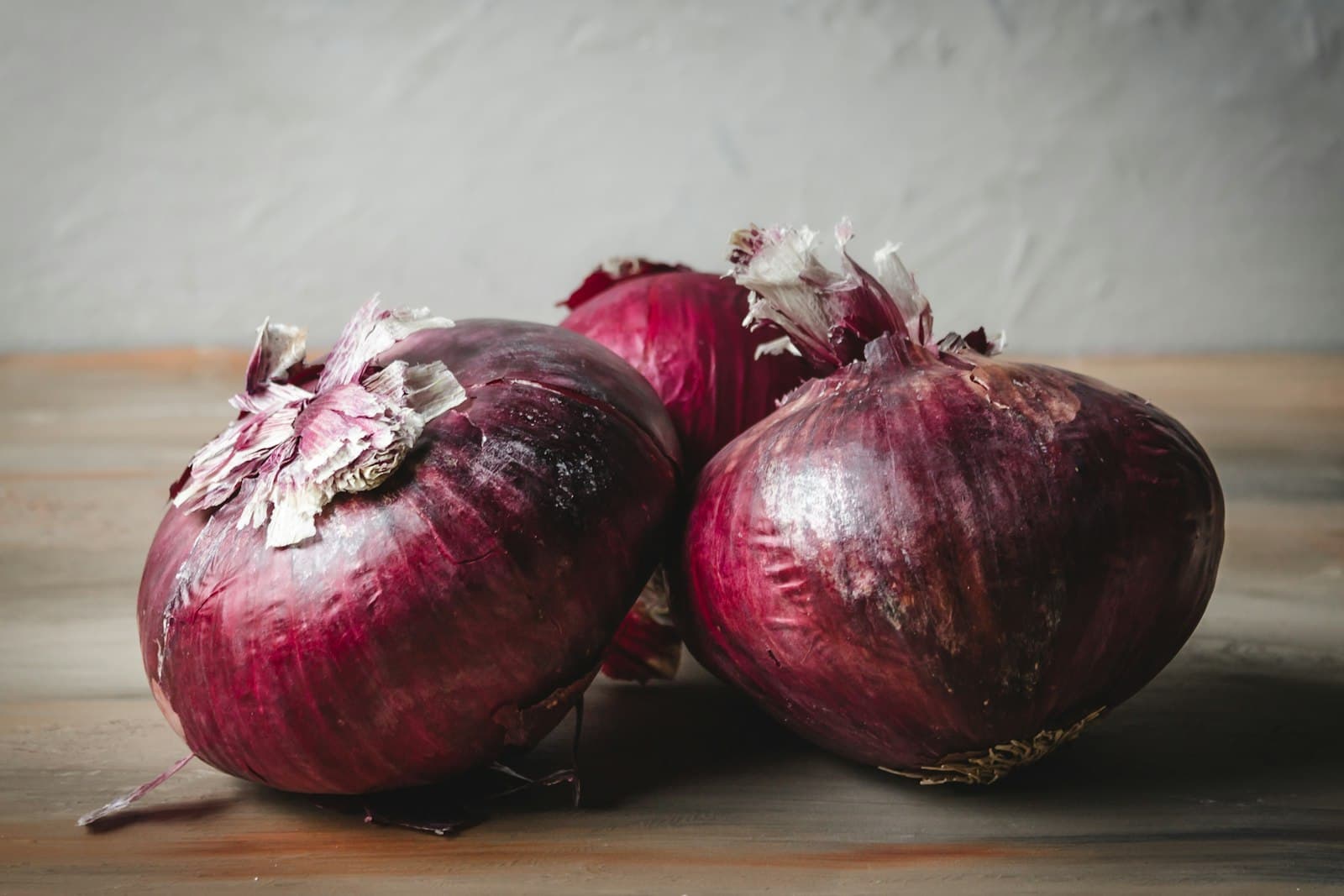
Fructans are chains of fructose units. "Fructans are not digested in the small intestines of humans," as one food-analysis paper puts it plainly; when that team measured 60 vegetables, the highest fructan levels were in garlic, artichoke, shallots, leek bulb and onions, ranging from 1.2 to 17.4 g per 100 g of fresh food (Muir 2007). In grain foods, fructans were the most common short-chain carbohydrate measured, from 1.12 g in a serving of couscous down to 0.11 g in oats and none in rice (Biesiekierski 2011). Wheat, rye and barley are the reason bread and pasta are restricted in the elimination phase. Inulin and fructo-oligosaccharides (FOS), often listed on labels as inulin or chicory root fibre, are fructans too.
Fructans also vary in chain length, which is one reason the same person can react to garlic but not to wheat. The Muir team had to modify their assay to estimate average chain length in high-fructan vegetables (Muir 2007), and reintroduction plans often test fructans from more than one source for this reason. Our reintroduction guide explains why one fructan test is not enough.
GOS are chains with a galactose unit at one end. The ones that matter in food are mainly raffinose and stachyose, which the same grain-and-pulse analysis found were most common in pulses (Biesiekierski 2011). Beans, lentils, chickpeas and some nuts are the usual sources. Processing matters: in an analysis of 35 plant-based foods, pickling and canning produced the largest reductions in FODMAP content (Tuck 2018). That fits with canned, rinsed legumes appearing on low FODMAP lists in small portions.
The O group is also, on the best data available, the one people react to most. In a Belgian trial that reintroduced each FODMAP blind, fructans were the most common trigger and GOS the third most common, though mannitol came close behind fructans (Van den Houte 2024). Our reintroduction guide carries that trial's full table, including the glucose control arm you need to subtract from each figure.
One more data point shows how specifically GOS acts. In a crossover trial of people with IBS who were sensitive to GOS, an enzyme that breaks GOS down (alpha-galactosidase), taken with high GOS meals, reduced overall symptoms and bloating compared with placebo (Tuck 2018). That enzyme does nothing for fructans or any other group, which is a neat demonstration that the six FODMAPs are chemically separate problems. Whether a product like this suits you is a question for your clinician or dietitian.
D: disaccharides, which in practice means only lactose
Disaccharides are sugars made of two units. There are several in ordinary food, but only one counts as a FODMAP: lactose, the sugar in milk.
The others do not count because the human small intestine digests and absorbs them well. Table sugar (sucrose, glucose plus fructose) is the clearest example. In a careful breath-hydrogen study of ten healthy adults, no malabsorption could be detected in anyone after 100 g, 75 g or 50 g of sucrose, or after a 50 g plus 50 g mixture of glucose and fructose (Rumessen 1986). So "disaccharides" in the acronym is not a warning about sugar in general. Sugar can cause other problems, but it is not a FODMAP.
Lactose is a FODMAP only for people who do not make enough lactase, the enzyme that splits it. How many people that applies to depends heavily on ancestry. Continuing to make lactase into adulthood is common in people of European ancestry and in some African, Middle Eastern and South Asian groups, but rare or absent elsewhere (Itan 2010). The same study found that known genetic variants cannot yet explain who digests lactose in several regions, which is one reason published figures shift with the test used. A widely quoted global figure of 68% came from a 2017 meta-analysis that its journal retracted in 2025 (retraction notice), so we do not use it. Malabsorbing lactose is not the same as getting symptoms from it, but it explains why lactose is the one FODMAP whose relevance varies most with where your family comes from.
It also explains why the early FODMAP literature suggested using breath tests to identify people who absorb lactose or fructose completely, so that restriction could be less strict for them (Gibson 2010). Practice has since moved away from breath tests for choosing what to restrict; our post on reintroduction order covers why.
Lactose is the reason "low FODMAP" is not "dairy free". Hard, aged cheeses carry little lactose, and lactose-free milk has had its lactose split by added enzyme. People in r/FODMAPS often say lactose-free dairy, butter and parmesan are what made the elimination phase bearable (thread).
M: monosaccharides, which means only fructose, and only the excess
Monosaccharides are single sugar units. Glucose and galactose are monosaccharides and are absorbed efficiently. The only monosaccharide in the FODMAP group is fructose, and even then the diet targets only fructose in excess of glucose (Varney 2017).
The reason is how fructose crosses the gut wall. Fructose can be carried by a fructose-specific transporter, GLUT5, which depends on a concentration gradient, or by GLUT2, which also moves glucose and galactose (Latulippe 2011). Glucose eaten at the same time helps fructose get absorbed. The 1986 absorption study showed this cleanly in healthy adults: 50 g of fructose with 25 g of glucose produced malabsorption in three of ten people, and with only 12.5 g of glucose in seven of ten, while an equal 50 g plus 50 g mixture produced none (Rumessen 1986). The same study found that healthy people's capacity to absorb fructose on its own ranged from under 5 g to over 50 g, and that symptoms during all the challenges were mild or absent. Fructose malabsorption in healthy people is common and usually unremarkable.
This is why "excess" is the important word. A food's fructose content tells you little; its fructose relative to its glucose tells you more. A review that tabulated both found fructose considerably greater than glucose in agave, apples, pears and watermelon, and to a lesser extent grapes, while carrots, onions and sweet potatoes had equal or less fructose than glucose. A cup of apple juice in their table carried about 7.7 g of fructose in excess of glucose (Latulippe 2011). That review was written by an employee of ILSI North America, whose carbohydrate technical committee generated the paper's concept, which is worth knowing given that it also discusses high-fructose corn syrup.
Honey is a useful puzzle here. The same review puts honey's glucose-to-fructose ratio at about 0.9 to 1, only slightly fructose-heavy (Latulippe 2011), yet honey is routinely listed as high FODMAP. We did not find the measurement behind honey's rating in the papers we read, so treat this as a plausible explanation rather than a settled one: FODMAP cutoffs are set per serving, and honey composition varies, so a modest surplus that adds to other fructose sources in a meal can still push the total over. The cutoff work also notes that high-fructose corn syrups may explain higher excess-fructose levels detected in some US processed foods (Varney 2017), which is one reason the same product can test differently by country.
P: polyols, which are not sugars at all
Polyols are sugar alcohols. Chemically they are not saccharides, which is why the acronym lists them separately after the "and". They occur naturally in certain fruits and vegetables and are added to sugar-free products as sweeteners (Lenhart 2017).
The two that matter in ordinary food are sorbitol and mannitol. A food-analysis and challenge study found sorbitol in certain fruits and in sugar-free gum, while mannitol content was higher in certain vegetables (Yao 2014). Stone fruits are commonly listed as sorbitol sources and mushrooms as a mannitol source. On labels, polyol sweeteners usually have names ending in "-itol", which is a handy flag to check, though not every such sweetener behaves the same way in the gut.
Three findings make polyols more interesting than their place at the end of the acronym suggests.
- They are dose dependent in everyone. A systematic review of 79 studies found polyol malabsorption in healthy people generally rises with dose, and gets worse when polyols are eaten in combination. They cause dose-dependent wind, discomfort and laxative effects in healthy volunteers as well as people with IBS (Lenhart 2017).
- They interact with fructose. Given to ten healthy adults at doses matched to each person's own absorption capacity, sorbitol and fructose were each absorbed fine on their own, but together produced significant malabsorption in seven and symptoms in five (Rumessen 1987). This is the cleanest experimental evidence for cross-group stacking, which our post on FODMAP stacking examples builds on.
- Malabsorption is not the same as symptoms. In the sorbitol and mannitol challenge study, more people with IBS than healthy controls completely absorbed mannitol (80% against 43%), yet both polyols raised symptoms in the IBS group only, and independently of whether people malabsorbed them (Yao 2014).
Sorbitol and mannitol are tested separately because people react to them differently. In the blinded reintroduction trial, mannitol was the second most common trigger while sorbitol was the least common of the six, below the glucose placebo (Van den Houte 2024).
How many FODMAP groups are there? Four, five, six, or more
Lists online say four, five, six or ten, and they are all counting different things. A long r/FODMAPS thread captures the confusion: one person found the app sorted foods into four categories while "every piece of literature" broke them down into around ten (thread). Here is what each count means.
| Count | What is being counted | Members |
|---|---|---|
| 4 | Chemical classes named in the acronym | Oligosaccharides, disaccharides, monosaccharides, polyols |
| 5 | Kinds of molecule | Fructans, GOS, lactose, fructose, polyols |
| 6 | Subgroups with their own cutoff and their own challenge | Fructans, GOS, lactose, excess fructose, sorbitol, mannitol |
| 7 or more | Challenge categories in some reintroduction plans | The six above, with fructans split by source, such as wheat, garlic, onion, and fruit or vegetables |
The four-class and five-molecule versions come straight from the original descriptions (Gibson 2010). The six-subgroup version is the working unit: cutoff values to classify a food as low FODMAP are set separately for oligosaccharides (fructans and GOS), the polyols mannitol and sorbitol, lactose, and fructose in excess of glucose (Varney 2017), and the blinded reintroduction trial used exactly six powders: fructans, fructose, GOS, lactose, mannitol and sorbitol (Van den Houte 2024).
If you want one number to remember, use six. It is the level at which tolerance actually differs between people, which is the whole point of reintroduction.
Which FODMAP group is in which food: a cheat sheet
The question r/FODMAPS asks far more often than "what does it stand for" is "which group is this food in?" (thread). The table below gives the six subgroups with food sources taken from published composition studies. It is a map for understanding, not a serving-size guide: whether a food is low or high depends on portion, and the specifics belong with a current food database and, ideally, a dietitian.
| Subgroup | Letter | Where it is concentrated | What it mainly does in the gut |
|---|---|---|---|
| Fructans | O | Garlic, artichoke, shallots, leek bulb, onion; wheat, rye and barley products; inulin and chicory root added to foods (Muir 2007, Biesiekierski 2011) | Fermented in the colon, producing gas |
| GOS | O | Pulses such as beans, lentils and chickpeas, as raffinose and stachyose (Biesiekierski 2011) | Fermented in the colon, producing gas |
| Lactose | D | Milk, and dairy foods that keep much of milk's sugar | Draws water, then fermented, if you lack lactase |
| Excess fructose | M | Agave, apples, pears, watermelon, apple and pear juices; to a lesser extent grapes (Latulippe 2011) | Draws water into the small bowel, then fermented |
| Sorbitol | P | Certain fruits, sugar-free gum and sweets (Yao 2014) | Draws water, then fermented |
| Mannitol | P | Certain vegetables (Yao 2014) | Draws water, then fermented |
What contains no FODMAPs. FODMAPs are carbohydrates, so foods with essentially no carbohydrate contain essentially none: plain meat, fish, eggs, butter and oils. That is why people in the "generous portions" thread on r/FODMAPS found they could fill up on chicken, fish, eggs, rice and potatoes while measuring the rest (thread). Rice and potato are carbohydrate foods, but their carbohydrate is mainly starch, which the small intestine digests. Watch for the exceptions that hide in processed versions: marinades, stocks, sausages and spice mixes are where garlic, onion and wheat turn up.
Foods with more than one FODMAP. Plenty of foods carry two groups at once, which makes them poor test foods during reintroduction. One r/FODMAPS member built their own list of foods high in only a single FODMAP for exactly this reason (thread). Commenters on that thread disagreed with several of the entries, which is a fair illustration of how hard this is to do from an app by hand. A dietitian's challenge list is built to solve the same problem.
Why a food sits in different groups, or moves between them
One of the most common confused questions is a version of this: why is broccoli low FODMAP in one place and high in fructans in another? It came up in a thread from someone just starting the diet, eating ready meals that included broccoli (thread). There are several ordinary reasons a food's listing can differ, and none of them mean someone made a mistake.
- Serving size. Cutoffs are set per typical serving (Varney 2017). A food can be low at one portion and moderate or high at a larger one. A list that says "high" without a portion is collapsing that into one word.
- Part of the plant. Different parts can be measured separately. A list that says "broccoli" may mean heads, stalks or the whole vegetable.
- Processing. Canning and pickling lowered FODMAP content in the plant-food analysis (Tuck 2018), and the cutoff paper notes that processing techniques and ingredients vary between countries (Varney 2017).
- Retesting. Food databases are updated, and a new batch can give a different result. One r/FODMAPS thread describes cauliflower moving from a mannitol listing to a moderate-fructan one after a retest, and asks, reasonably, why the newer test should be trusted more (thread). A reply in that thread made the sensible point that each listing is a result for the batch that was tested, which is why databases are guides rather than absolutes.
- Ripeness and storage. Fruit composition changes as it ripens, which is why some lists treat firm and ripe bananas differently. Our low FODMAP breakfast guide covers the banana chemistry.
Pages ranking for this question are not consistent either. Of the pages we read, one major hospital site says a ripe banana is high in fructose, while a national digestive health foundation lists ripe banana under fructans. We did not find a composition paper this run that settles which group ripe banana belongs in, so we are not going to pick one. It is a good example of why a food's group is best treated as information about where to start testing, not as a verdict. The provenance problem is covered in more depth in our post on alternatives to the Monash app, and the label problem in our post on low FODMAP barcode scanners.
Is gluten a FODMAP?
No. Gluten is a protein. FODMAPs are carbohydrates. Wheat, barley and rye contain both, which is why cutting gluten also cuts a lot of fructan, and why the two are so often confused. The confusion is common enough that r/FODMAPS has an automatic bot reply for any post mentioning gluten, and a thread titled simply "Gluten is NOT a FODMAP!!!" (thread). In that thread, one person said they spent about six months reacting to gluten-free products before learning the difference.
The trial evidence points the same way. In a double-blind crossover study of 59 people on a self-imposed gluten-free diet who did not have coeliac disease, each person ate muesli bars containing gluten, fructans or placebo for a week at a time. Overall symptom scores were 33.1 with gluten, 38.6 with fructans and 34.3 with placebo; fructans raised scores, and gluten did not differ from placebo (Skodje 2018). Individually, 24 people scored highest on fructans, 22 on placebo and 13 on gluten, which also shows how large the placebo response was. An earlier crossover trial, run after participants had first reduced FODMAPs, found symptoms worsened to a similar degree with gluten or with whey protein, and gluten-specific effects in only 8% of participants (Biesiekierski 2013).
There is even a direct measurement. In the plant-food analysis, wheat gluten itself classified as low FODMAP, at 0.13 g per serve (Tuck 2018). And the British Society of Gastroenterology guideline does not recommend a gluten-free diet for IBS, while noting the evidence quality is very low (Vasant 2021).
Two practical consequences follow.
Gluten-free does not mean low FODMAP. Gluten-free products are free of one protein. Several replies in the gluten thread point to inulin, chicory root and chickpea flour turning up in gluten-free breads and pastas (thread). Those are FODMAP sources. Read the ingredients, not the front of the pack.
Coeliac disease is a different question. It is an autoimmune condition, and for people who have it, gluten matters regardless of FODMAPs. The ACG guideline suggests coeliac blood testing in people with suspected IBS and diarrhoea (Lacy 2021). Testing is unreliable if you have already cut gluten out, which our post on why a food diary can show no pattern explains. Get tested before you remove wheat, not after.
Clairop logs meals, symptoms and stool in seconds, then looks for the foods your gut reacts to, including reactions that land days later.
Do you have to track every FODMAP group separately?
Only during one phase, and then only temporarily. This was the core worry in the most-discussed thread we read: whether everyone on the diet is walking around with measuring cups, remembering which category every food belongs to (thread). The answer depends on which phase you are in.
During restriction (usually two to six weeks): you lower all six groups together. You do not need to know which group a food belongs to, only whether it is low at the portion you eat. This is the deliberately blunt phase. Our post on how long to do the low FODMAP diet covers the timing.
During reintroduction: this is where the groups matter, because you test them one at a time on a low FODMAP background so a reaction can be pinned to one group. The original rechallenge trial is a good illustration of why groups behave like separate dials. In 25 people with IBS and fructose malabsorption who had responded to the diet, blinded challenges produced inadequately controlled symptoms in 70% on fructose, 77% on fructans and 79% on a mixture, against 14% on glucose, and the symptoms were dose dependent (Shepherd 2008). Dose dependent is the important phrase: it is why stacking within a group matters, and why a failed challenge is about a dose, not a lifelong ban.
During personalisation: you stop tracking the groups you tolerate. The point of the whole process is a less restrictive diet that excludes only your own triggers (Whelan 2018).
If I fail one food, is the whole group out? Not automatically, and r/FODMAPS threads are full of people who failed peas but tolerate some chickpeas, or react to garlic but not onion (thread). Those are individual reports, not evidence, but they fit the dose-dependence above and the fact that fructans differ by source. A failed challenge tells you about that food at that amount. Further testing within the group, ideally planned with a dietitian, tells you about the rest.
Most food diaries make this harder than it needs to be because they record foods, not groups. Clairop breaks each logged food into all six FODMAP subgroups, shows the published source for each value, and marks anything missing from its table as "no data" rather than assuming it is low, so you can see which group a reaction most plausibly came from.
A worked example: reading one meal through the acronym
Here is how the letters map onto a single, ordinary meal. No portions or thresholds are implied; the point is to see which groups are present, not to score it.
The meal: wheat pasta with a sauce of onion, garlic and mushrooms, a glass of milk, an apple afterwards, and sugar-free gum.
| Item | Letter(s) involved | Subgroup | Why |
|---|---|---|---|
| Wheat pasta | O | Fructans | Wheat is a major grain source of fructans |
| Onion, garlic | O | Fructans | Among the highest-fructan vegetables measured |
| Mushrooms | P | Mannitol (as commonly listed) | Mannitol is concentrated in certain vegetables |
| Milk | D | Lactose | Relevant if you are a lactose malabsorber |
| Apple | M | Excess fructose | Fructose considerably exceeds glucose in apples |
| Sugar-free gum | P | Sorbitol or other polyols | Polyol sweeteners |
Reading it this way shows three things that a "high or low" list would not. First, four of the six subgroups are on the table at once, so if this meal causes symptoms, it tells you almost nothing about which group did it. Second, the fructans come from three different sources, so the meal stacks one subgroup heavily, which is the pattern our stacking post describes. Third, the two polyol sources and the apple's fructose sit close together, and fructose plus a polyol is the combination the 1987 mixture study found worse than either alone (Rumessen 1987).
Now change one thing at a time. Swap the wheat pasta for rice pasta and the onion and garlic for garlic-infused oil, and the fructan load falls sharply while everything else stays. Swap the milk for lactose-free milk, and lactose goes. That is all the low FODMAP elimination phase is: removing the letters, roughly together. Reintroduction is adding them back one at a time.
Are FODMAPs bad for you?
No. This is the most important correction to the way the acronym gets used. FODMAPs are a normal part of a healthy diet, and many of them have prebiotic actions, feeding bacteria such as bifidobacteria (Gibson 2020). Even the Monash site notes that most people eat high FODMAP foods every day without issue.
The diet built on them works for many people with IBS. In a controlled crossover trial where almost all food was provided, people with IBS had overall symptom scores of 22.8 on a low FODMAP diet against 44.9 on a typical Australian diet (on a 100 mm scale), with less bloating, pain and wind (Halmos 2014). The ACG recommends a limited trial of a low FODMAP diet for IBS to improve global symptoms (Lacy 2021), and the BSG calls it an effective second-line dietary therapy for global symptoms and pain, to be supervised by a trained dietitian with FODMAPs reintroduced according to tolerance. It grades that recommendation as weak, with very low quality evidence (Vasant 2021). The two guidelines agree on the direction and differ on how strongly they put it.
But restriction has a cost. In a randomised trial, four weeks of FODMAP restriction improved symptoms (adequate control in 13 of 19 people against 5 of 22 controls) and also lowered the concentration and proportion of bifidobacteria in stool (Staudacher 2012). In a small follow-up of 18 people who had gone through restriction, reintroduction and personalisation, bifidobacteria at 12 months were no different from baseline, and two thirds reported adequate symptom relief, though short-chain fatty acid levels were lower (Staudacher 2022). The authors suggest reintroduction and personalisation may normalise some of the effects of short-term restriction. That is a small study with no control group, but it supports the standard advice: the restriction phase is meant to end.
What the ranking pages get slightly wrong: FODMAP myths
We read five of the pages ranking for this question (a hospital health library, a university medical centre's Q&A, a national government health service, a national digestive health foundation and the Monash site itself; a sixth blocked our fetch). All five spell the acronym correctly. Several then make small slips that matter if you are trying to understand your own reactions.
Myth: FODMAPs are sugars. Three of the pages describe them as sugars, one calling them as "5 naturally occurring sugars". Polyols are sugar alcohols, not sugars (Lenhart 2017), and fructans and GOS are chains that do not taste sweet. Some FODMAPs, such as added inulin and polyol sweeteners, are not naturally occurring in the food they end up in.
Myth: "disaccharides" and "monosaccharides" mean sugar in general. Sucrose and glucose are absorbed well; only lactose and excess fructose count (Rumessen 1986). Cutting table sugar is not part of the low FODMAP diet.
Myth: the diet gives your gut lining a chance to repair. One page says this. We could not find trial evidence that the low FODMAP diet repairs the gut lining in IBS, and in IBD the best trial found no change in inflammatory markers (Cox 2020). The diet reduces a load that a sensitive gut feels; it is not a repair process.
Myth: if you react to FODMAPs, you produce too much gas. The imaging evidence says people with IBS produce similar gas to people without it and feel it more (Major 2017).
Myth: low FODMAP means FODMAP free. The diets used in trials still contained FODMAPs, around 9 g a day in one (Ong 2010), and the meal target in another was under 0.5 g of FODMAPs per meal (Halmos 2014). Low means below a threshold, which is why portions matter.
Myth: gluten-free equals low FODMAP. Covered above. Gluten is a protein (Skodje 2018).
Myth: FODMAPs were discovered as an IBS treatment. The word was coined in a Crohn's disease hypothesis (Gibson 2005). The IBS diet came after.
Myth: you should avoid FODMAPs for good health. Many are prebiotics, and restriction lowers bifidobacteria in the short term (Staudacher 2012). The diet is a diagnostic and symptom tool, not a healthy-eating plan.
When to see a doctor
FODMAPs can explain a lot of gut symptoms, but the diet is for people whose symptoms have already been assessed. The Monash site itself says the diet is intended for people with medically diagnosed IBS and lists coeliac disease, inflammatory bowel disease, endometriosis and bowel cancer among conditions with similar symptoms. The ACG suggests coeliac serology and a faecal calprotectin test in people with suspected IBS and diarrhoea (Lacy 2021).
See a doctor promptly, rather than starting or continuing a diet, if you have any of these:
- blood in your stool, or black stools
- unexplained weight loss
- fever, or symptoms that wake you at night
- signs of anaemia, such as unusual tiredness or breathlessness
- new bowel symptoms starting after age 50
- a family history of bowel cancer, coeliac disease or inflammatory bowel disease
- symptoms that are getting steadily worse
If you already have Crohn's or ulcerative colitis and your gut symptoms change, contact your IBD team before assuming it is a FODMAP problem. A flare and food intolerance can feel similar and need different responses.
The short version
FODMAP stands for Fermentable Oligosaccharides, Disaccharides, Monosaccharides And Polyols. The A is "and". The name was coined in 2005, for a Crohn's disease hypothesis that has not been confirmed, and was then turned into a diet for IBS that now has a substantial trial base.
The acronym is broader than what it means in practice. Of all the oligosaccharides, disaccharides, monosaccharides and polyols in food, six matter: fructans and GOS, lactose, fructose in excess of glucose, sorbitol and mannitol. The chains mainly make gas in the colon; the small molecules mainly draw water into the small bowel. Everyone ferments them. Many people with IBS feel it more.
Use the six groups to understand why a food is on a list, not to memorise every food. During restriction you lower them all together; during reintroduction you test them one at a time; afterwards you keep only the ones that are genuinely yours. Gluten is not one of them, and neither is table sugar.