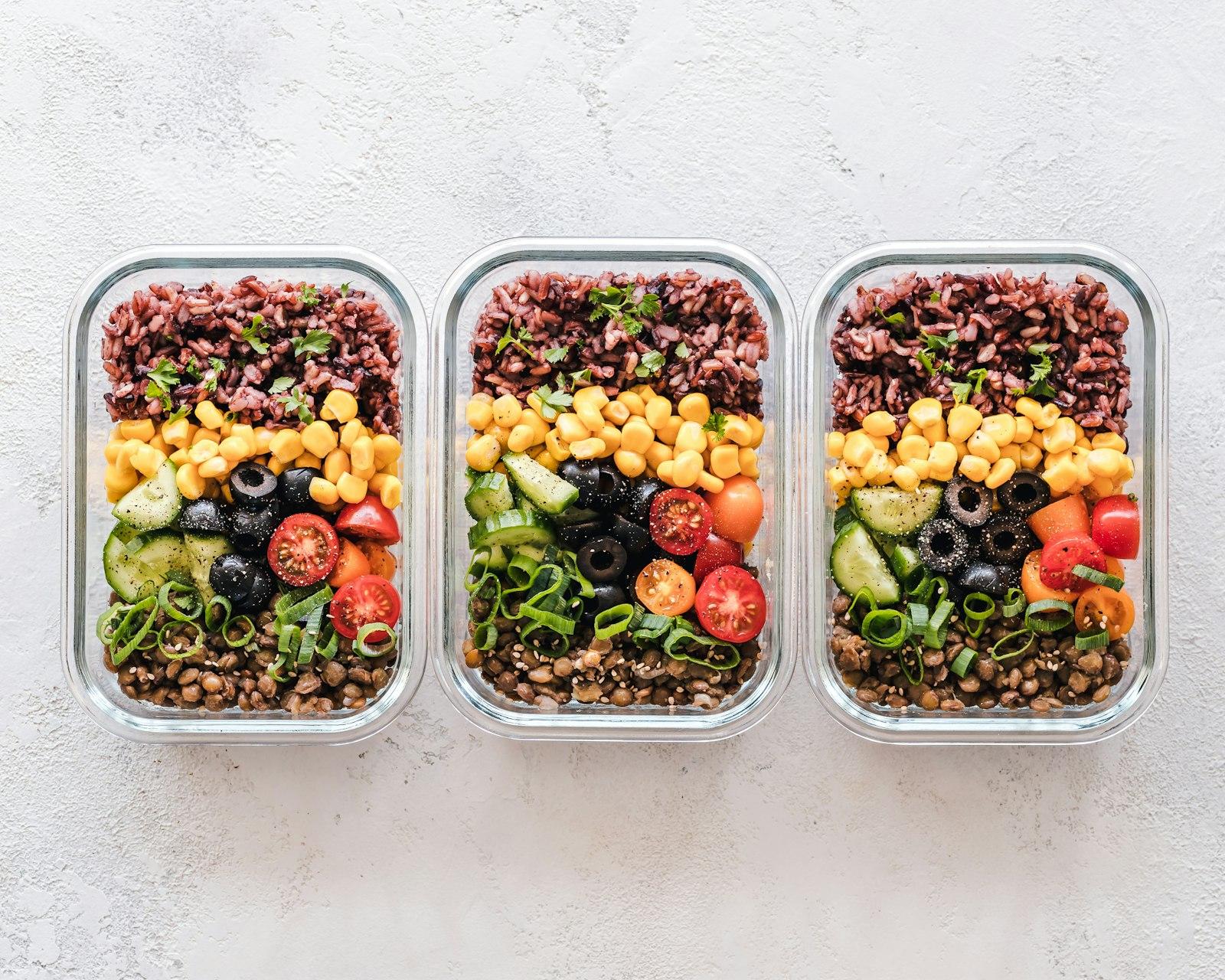
A good IBS diary for a dietitian follow-up is not a bigger version of the diary you brought to the first visit. It is a short, timed log with portion sizes, stool type and symptom scores, topped by a one-page cover sheet that says what changed, which reactions you are unsure about, which foods you kept, dropped or want to retest, and what you want to ask. The log is the evidence. The cover sheet is the handoff that lets a 30 to 45 minute appointment go on decisions instead of on reading.
Most of what turns up when you search for this is a blank printable. That helps at the start, but a follow-up is a different job. By the second visit you have already tried something, so the dietitian is no longer asking "what do you eat?" but "what happened when you changed it?" This guide covers what to bring, what a filled-in follow-up diary looks like, and how to record the awkward parts honestly: the unclear reactions, the portions, the foods you quietly stopped eating.
What should an IBS diary for a dietitian follow-up show?
It should show what changed since the last appointment and what you are unsure about. A first-visit diary describes your usual eating. A follow-up diary compares your response to a plan: whether symptoms moved, which meals were hard to manage, which reactions were clear and which were not, and what you want to try next. Portion sizes, clock times and a short summary do most of the work.
That shift in purpose matters because of how the low FODMAP diet is meant to be delivered. It has three stages: restriction, reintroduction and personalization. A review in the British Dietetic Association journal by Whelan and colleagues describes them as coverable in at least two dietetic appointments. The first covers assessment and counseling on restriction. At the second, symptoms and diet are reassessed and, if restriction has worked, reintroduction is taught (Whelan 2018). Monash University describes restriction as lasting 2 to 6 weeks under a dietitian's supervision, with reintroduction taking most people around 6 to 8 weeks (Monash).
So the follow-up is where the real decisions are made. Did restriction help enough to justify moving on? Which group should be challenged first? How should a murky reaction be read? Your diary is the main input to every one of those questions, which is why the way you keep it deserves more care than the printable you downloaded in week one. If you have not started a log yet, how to keep a food diary for IBS covers the basic layout and how long to keep it going.
What should you bring to a dietitian appointment for IBS?
Bring four things: a timed food and symptom log, a one-page cover sheet, relevant medical information, and your questions. The log is the evidence, the cover sheet is the summary, and the medical information stops the dietitian working around gaps. Here is how the list differs between a first visit and a follow-up.
| Item | First appointment | Follow-up appointment |
|---|---|---|
| Food and symptom log | One to two weeks of your usual eating | The gap since last time, with the latest one to two weeks in full detail |
| Portion sizes | Rough sizes for main meals | Sizes for anything you challenged, swapped or reacted to |
| Bristol stool type | Every bowel movement | Every bowel movement, so before and after can be compared |
| Cover sheet | Typical day, worst symptoms, goals | What changed, reactions you are unsure about, kept, dropped and retest lists |
| Medical information | Diagnosis, test results, referral letter | New results, medication or supplement changes, anything a doctor said since |
| Diets already tried | What and for how long | What you tried from the plan and where it went off track |
| Questions | Is this diet right for me? | Which challenge next? What do I do about the maybe reactions? |
Do not forget the unglamorous items: a list of every medicine and supplement you take, including laxatives, antidiarrheals, probiotics, fiber products and protein powders, since the dietitian needs them to read the log. If you have had bloods, a stool test or a scope since the last visit, bring the results or tell them. And if you stopped or changed something on your own, say so plainly. Nobody is marking you.
If you are seeing a gastroenterologist as well, the two appointments need different pages. The dietitian wants food, portions and tolerance. The gastroenterologist wants symptom trends, bowel frequency, red flags and medicines. How to use a symptom tracker for your doctor covers the medical side, and the free GI appointment summary tool builds a one-page handoff for that visit.
What does a filled-in IBS follow-up diary look like?
A good follow-up entry has a clock time, the food with a portion, the stool type or symptom with a 0 to 10 score, and a short note on certainty and context. Below is a worked example from a restriction-phase week, followed by a reintroduction challenge. The people and numbers are invented for illustration.
Example 1: a week-3 restriction diary (two days shown)
| Time | Event | What and how much | Bristol | Pain 0-10 | Notes |
|---|---|---|---|---|---|
| Tue 07:15 | Bowel movement | 4 | 1 | Slept 7 hours | |
| Tue 07:40 | Breakfast | Oats made with lactose-free milk, 1 medium bowl; 1 firm banana; tea | Plan food | ||
| Tue 10:30 | Snack | 12 almonds | |||
| Tue 13:00 | Lunch | Rice, grilled chicken, carrot, spinach, olive oil; sourdough spelt slice | Weren't sure the bread was OK | ||
| Tue 15:00 | Symptom | Mild bloating | 2 | Maybe the bread; sat all afternoon | |
| Tue 19:30 | Dinner | Salmon, potatoes, green beans; 1 glass red wine | |||
| Tue 21:00 | Bowel movement | 4 | 1 | ||
| Wed 07:20 | Bowel movement | 6 | 3 | Urgent, woke early, work stress | |
| Wed 12:45 | Lunch (eating out) | Chicken salad, dressing unknown, 1 bread roll | Could not check ingredients | ||
| Wed 14:30 | Symptom | Cramping, bloating | 5 | Unsure: dressing? stress? skipped breakfast | |
| Wed 20:00 | Dinner | Stir-fry with tofu, rice noodles, bok choy, soy sauce | |||
| Wed 22:00 | Bowel movement | 5 | 2 |
Three habits make this useful. The portion column (12 almonds, one slice, one bowl) lets the dietitian check serving sizes rather than guessing. The "unsure" notes are written in the moment, so the cover sheet later does not have to rely on memory. And the eating-out row is logged as an unknown, not tidied up, which is exactly the information a dietitian needs to decide whether to coach you on eating out.
Example 2: a reintroduction challenge, one food at a time
Reintroduction is where a good diary pays off most, because you are running small tests and a muddy log makes them unreadable. During challenges the dietitian will give you the food and the amount, and the usual idea is to test one FODMAP group at a time while the rest of your diet stays low in FODMAPs, with a break of a few days between challenges (Monash).
| Day | Challenge food and amount | Symptoms (time, 0-10) | Bristol | Background diet | Certainty |
|---|---|---|---|---|---|
| 1 | Amount set by dietitian, with breakfast | None over the day | 4 | All low FODMAP | Sure: no reaction |
| 2 | Same amount, larger portion agreed in advance | Bloating at 15:00, 4/10, gone by evening | 4 | All low FODMAP | Maybe: poor sleep the night before |
| 3 | Same amount again | Bloating 13:30, 3/10 | 5 | All low FODMAP | Maybe: stressful meeting |
| 4 to 6 | Washout, no challenge | None | 4 | All low FODMAP |
Notice what the last column does. It stops you writing "bloating, bad reaction" and instead records "bloating, probably affected by poor sleep". The dietitian can now suggest a repeat at the same dose on a calmer day, which is much better than a lifelong ban on a food that may be fine.
For a deeper look at what counts as a real reaction, see FODMAP reintroduction symptoms: is it a trigger?. For the order and sequence, the low FODMAP reintroduction order and how to reintroduce foods after the low FODMAP diet cover the plan itself.
How do you log portion sizes so a dietitian can use them?
Write the amount you actually ate in household terms: a slice, a cup, a handful, 12 almonds, half a banana, a medium bowl. You do not need scales for most entries. The aim is enough detail for the dietitian to compare your serving with FODMAP cut-offs, since the same food can be low at one serving and high at another.
This is not a technicality. FODMAP content is defined against a serving size, and published work on food composition sets cut-off values per serve, not per food (Varney 2017). A food in one list is "low" because of the amount in the serving that was tested. If your log says "rice and veg" with no sizes, that information is gone. If it says "1 cup rice, 1/2 cup carrot, 6 broccoli florets", the dietitian can see it straight away.
Two situations deserve extra detail. The first is stacking, where several foods that are each low in a FODMAP add up to a large load across one meal or one day. The second is any food you challenged or reacted to. For those, write the exact brand, the preparation and the weight if you have it. Our guide to FODMAP stacking examples shows how this plays out, and why FODMAP apps disagree explains why a dietitian may read a serving differently from the app on your phone.
A few practical shortcuts help:
- Photograph the plate. A quick picture before eating can fill in sizes later, and it takes two seconds.
- Use the same vessel. "One mug" or "one cereal bowl" is consistent even if it is not exactly a cup.
- Keep packaging. For anything you reacted to, keep the wrapper or take a photo of the ingredient list.
- Write drinks and extras. Coffee with milk, a splash of juice, the garlic oil on the side. Small things stack.
How do you record a reaction you are not sure about?
Record it with a certainty tag and what else was going on. Use three levels: sure, maybe, and probably something else. Then note sleep, stress, cycle day, a skipped meal or illness. IBS symptoms come and go on their own, so a single unclear reaction is a reason to retest, not proof the food is a trigger.
The reason for the tag is that your gut does not isolate variables for you. In a two-week ecological momentary assessment study, 58 people with IBS reported being in a symptom episode about 34% of the time (Weinland 2011). If you are symptomatic roughly a third of the time, then something you ate is nearly always sitting in the hours before a bad spell. That is a statistical trap, and it is why a diary alone cannot confirm a trigger. A tag lets you carry the uncertainty into the appointment honestly.
How you log also changes what you log. The same Weinland study found that conventional end-of-day diary cards overestimated both pain and stool frequency compared with in-the-moment ratings (Weinland 2011). A separate study of paper diaries in chronic pain found that people reported 90% compliance while the binders showed only 11% of entries made in the required window (Stone 2002). Neither study was about food, so treat the lesson as general: entries written hours later tend to be tidier and more dramatic than what happened. Log as you go, and if you have to back-fill, mark the entry as "written later".
Here is a simple way to record an uncertain reaction:
- What happened. The symptom, the time it started, and a 0 to 10 score.
- What came before. The food and the portion in the last few hours, and anything unusual in the last day or two.
- How sure you are. Sure, maybe, or probably something else.
- What you would do. Ignore, retest the same amount, or ask the dietitian.
The fourth line is the one that turns a log into a discussion. It tells the dietitian what you want to do about the reaction, and it keeps you from quietly adding the food to a banned list. If your whole diary keeps coming back unclear, read why your food diary shows no pattern, because that result has its own explanations and next steps.
Which foods did you keep, drop or retest?
Make three short lists for the cover sheet: foods you tolerate and have put back, foods you dropped because the reaction was clear, and foods to retest. This is the personalization stage in miniature, and walking in with it written down lets the dietitian focus on the borderline cases instead of rebuilding your history.
The reason the lists matter is how the diet is supposed to end. Tuck and Barrett describe the challenge phase as crucial for identifying specific dietary triggers, reducing the level of restriction, and increasing prebiotic intake, and note that many patients keep symptom improvement with a relaxed, moderate FODMAP restriction (Tuck 2017). In a UK long-term study of 103 people after dietitian-led education, 82% were on an "adapted FODMAP" diet at follow-up, meaning they had kept some restrictions and eased others, and nutritional adequacy was not compromised in either that group or the group that returned to a habitual diet (O'Keeffe 2018). The aim is a bigger diet that you tolerate, not the smallest one that works.
Here is how a cover-sheet list might look after a few weeks:
| List | Example entries | What the dietitian will do |
|---|---|---|
| Kept (tolerated well) | Lactose-free milk, small portions of oats, firm banana | Confirm they are safe at the amounts you ate and check nutrition |
| Dropped (clear reaction) | Large garlic portion, large apple | Check the reaction was at a sensible dose and discuss alternatives |
| Retest (unsure) | Sourdough spelt, a particular yogurt | Plan a repeat challenge at a set amount |
| Not yet tried | Foods in groups not yet challenged | Set the order and amounts |
Two cautions apply. First, "dropped" should mean a clear reaction at a reasonable amount, not "felt a bit off once". Second, tolerance can change. Monash notes that FODMAP tolerance can shift over time and suggests retrying foods you did not tolerate after a few months to see whether anything has changed (Monash). Put a retest date on anything you drop, because that keeps "no" from quietly becoming "never".
How do you write a one-page cover sheet for the appointment?
Write it in five short sections: what changed, your best days and worst days, reactions you are unsure about, foods kept, dropped and to retest, and your questions. Keep it to one side of a page. It is the part the dietitian reads first and the one you can talk through in two minutes, so everything else in the log becomes reference material.
Here is a template to copy:
- Since last visit: I followed [restriction / a partial version / something different] for [number] weeks. Changes in pain, bloating and stool type: [better / the same / worse / mixed].
- Typical day now: Bowel movements per day [number], usual Bristol types [numbers], number of days with pain over 5 out of 10 [number].
- Best and worst days: Best was [date, what was happening]. Worst was [date, what was happening].
- Reactions I am unsure about: [Food, amount, symptom, what else was going on].
- Kept / Dropped / Retest: [Three short lists].
- Eating out and social meals: [What went well, what was hard].
- Other changes: [Medicines, supplements, sleep, stress, travel, illness, period].
- Questions: [Three to five].
Research on diaries supports the idea of a summary over a raw pile. In a validation study of the Food and Symptom Times diary, 51 people with IBS completed a contemporaneous diary, and the symptom items correlated moderately with established questionnaires, with high FODMAP meals linked to bloating in the diarrhea-predominant group (Wright-McNaughton 2019). That is evidence that a well-structured diary captures something real, not that a longer one is better. Whatever format you use, the cover sheet turns the log into something that can be discussed in an appointment slot.
Clairop is one way to produce that summary. It lets you log meals by tap, voice, a typed sentence or a photo, records a bowel movement as one tap on the Bristol scale, and builds a one-page report from what you logged. Describe it to your dietitian as a tracking tool, not as a diagnosis: it records what you enter and looks for patterns, it does not treat anything, and it does not replace the conversation. You can read how the logging and the one-page report work on how it works, and the approach is explained on the method page.
Clairop logs meals, symptoms and stool in seconds, then looks for the foods your gut reacts to, including reactions that land days later.
Which questions should you ask your dietitian at a follow-up?
Ask the questions that turn your log into next steps: have I improved enough to move on, what should I challenge next and in what amount, how long should I wait between challenges, what do I do about the maybe reactions, and how do I eat out. Write three to five on your cover sheet so they do not vanish when the appointment starts.
A starter list:
- Has the restriction phase worked well enough to move on? And what would count as "not worked" for me?
- Which food group should we challenge first, and in what amounts?
- How long should I wait between challenges, and what counts as a reaction?
- How should I treat the reactions I flagged as unsure? Retest, ignore or hold off.
- What happens if my symptoms come back during reintroduction?
- How do I eat out, travel or cook for other people without stacking FODMAPs?
- Is my diet still nutritionally adequate? In particular fiber, calcium and variety.
- What is the end point? When do I stop restricting and what does my long-term diet look like?
- When should I retest foods I dropped?
- If this is not working, what is the next step?
The last question is not pessimistic. The AGA clinical practice update advises that specific diet interventions be tried for a predetermined length of time, and that if there is no clinical response the intervention is abandoned for another treatment (Chey 2022). If you are three or four months in and still restricting, that is worth a direct conversation. What if the low FODMAP diet doesn't work? and how long to do the low FODMAP diet cover the options. If you want to judge whether you have actually improved, how to measure IBS symptom improvement sets out what to compare, and if the next step is something other than diet, see low FODMAP and gut-directed hypnotherapy.
Why does having a dietitian make such a difference?
Having a dietitian makes a difference because the diet is easier to get wrong than it looks, and the later stages are where people most often drift.
In a case series of 80 people at a gastroenterology clinic who had been recommended the low FODMAP diet, those who saw a dietitian followed phase one appropriately 96% of the time against 71% for those who did not, and followed phase two (reintroduction) appropriately 70% against 39% (Tuck 2020). Only 30% of the whole group had seen a dietitian, and 44% reached a therapeutic FODMAP intake, 72% with a dietitian against 31% without.
This was a small, observational study, so it shows association, not proof. But it fits what reviewers say. Sultan and colleagues note that the diet's efficacy has largely rested on dietitian-delivered education, that access can be limited, and that self-guided approaches have limited efficacy data (Sultan 2022). The AGA update advises referral to a registered dietitian nutritionist for patients who are willing to work with one or who cannot implement dietary changes on their own, and suggests other resources if no gastrointestinal dietitian is available (Chey 2022). The British Dietetic Association guidelines likewise cover the dietary management of IBS in adults as a structured process (McKenzie 2016).
A diary strengthens that relationship. It gives the dietitian a baseline to compare against, shows whether you followed the plan, and reveals where practical help is needed. Singh and colleagues describe the standard approach as a top-down, three-step process with efficacy data for both restriction and personalization (Singh 2022), and the personalization step depends on accurate records of what you tried and how you responded.
If you cannot get an appointment soon, do not try to run the diet alone for months as a workaround. Ask your doctor for good written materials, ask whether a different clinician can deliver the diet, and bring your log to whoever you do see. For cost-conscious options, cheap low FODMAP meals can ease the practical side.
Can keeping a diary make things worse?
Yes, for some people. A diary can feed food fear and over-restriction, and the low FODMAP diet in particular needs screening for disordered eating. If tracking makes you eat less, panic about foods or think about eating constantly, tell your dietitian or doctor rather than tightening the rules.
The AGA update lists people who are poor candidates for restrictive diets, including those consuming few culprit foods, those at risk of malnutrition, those who are food insecure, and people with an eating disorder or uncontrolled psychiatric disorder, and it calls routine screening for disordered eating critical (Chey 2022). The British Society of Gastroenterology guideline similarly warns about overly restrictive eating habits and says high-risk people should be screened out (Vasant 2021).
There is also a counter-intuitive finding. In 233 people with IBS starting a low FODMAP group program in London, 23% screened as at risk of eating disorder behaviors, and those people adhered to the diet more closely (57%) than the others (35%) (Mari 2019). Being very good at the diet is not automatically a sign it is going well. Our post on whether the low FODMAP diet can cause an eating disorder goes into this in detail.
Some ways to keep a diary from taking over:
- Set an end date and stop logging when it arrives, or switch to logging only during planned challenges.
- Log facts, not verdicts. "Bloating 3/10 at 15:00" beats "ruined by the bread".
- Do not add to a banned list from one entry. Use the retest column.
- Tell the dietitian how logging feels, not only what it shows.
What if you went off plan, stopped early or lost the diary?
Tell the dietitian exactly what happened. Going off plan is common and it changes the advice, so a frank account helps more than a polished record. If you lost your diary, reconstruct the last few days from phone photos, receipts and messages, mark it as reconstructed, and say what you cannot remember.
In the Tuck real-world case series, plenty of people struggled with the later phases, which is why the study found improvement when a dietitian was involved (Tuck 2020). In the long-term UK cohort, the diet cost more and affected social eating for the adapted group, although it did not reduce food-related quality of life (O'Keeffe 2018). That is the kind of practical detail to raise. If cost, cooking time or social situations are the problem, the dietitian can adapt the plan; they cannot adapt what they do not know about.
A few common scenarios and what to write:
- You gave up on strict restriction after two weeks. Write what you ate instead, what happened to symptoms, and why you stopped.
- You reintroduced several foods at once. List them with dates, because the dietitian can still use the information even if it is not a clean test.
- You have had a flare, illness or antibiotics. Note the dates. They can make the log hard to read, and the dietitian may suggest pausing challenges.
- You are traveling or the diary is patchy. Mark the gap. A gap is more useful than guessing.
When should you see a doctor before or alongside the dietitian?
See a doctor promptly if you notice blood in your stool or black, tarry stools, unexplained weight loss, fevers, symptoms that wake you at night, signs of anemia, vomiting that does not settle, new bowel symptoms starting later in life, or a family history of bowel cancer, inflammatory bowel disease or celiac disease. These are alarm features that call for medical review, not dietary experiments.
The ACG guideline lists rectal bleeding, unintentional weight loss, older age at onset and a relevant family history among the alarm features that warrant evaluation (Lacy 2021). A dietitian is not the right first stop for these, and a diary should never delay a medical visit. If you have not been diagnosed with IBS by a doctor, it is worth getting that done first, since the diet is meant for diagnosed IBS and other conditions need to be ruled out. If you have a diagnosis of Crohn's disease or ulcerative colitis, a dietitian can still help, but the plan is different, and our posts on the low FODMAP diet in Crohn's and in ulcerative colitis explain why.
Common myths about diaries and dietitian visits
"I should eat perfectly so the diary looks good." No. A dietitian needs your real pattern, including the slips, not your best week.
"More detail is always better." Not past the point of fatigue. A shorter diary you complete beats a long one you abandon. Timed entries, portions and Bristol type cover most of what is needed.
"If a food gave me a reaction once, it's out forever." One reaction is one data point. Symptoms fluctuate, and tolerance can change. Retest with the dietitian.
"I can do the whole low FODMAP diet from an app." Apps help with serving sizes, but the evidence for dietitian-led delivery is stronger than for self-guided approaches (Sultan 2022).
"The diary should prove I'm right about my trigger." It should test your idea, not confirm it. Bring your theory and let the data argue with it.
"Stool type is a detail." It is a measurement. Stool form on the Bristol scale correlated with whole-gut transit time better than frequency or stool weight in the validation study (Lewis 1997), which is why a dietitian asks for it.
A one-week checklist before your follow-up
Start about two weeks out if you can, since the most recent one to two weeks is the part the dietitian will look at hardest. This checklist keeps the preparation from turning into a second job.
- Two weeks out: Log meals, drinks, bowel movements and symptoms with clock times and portions. Mark certainty on any reaction.
- One week out: Check for gaps. Add sleep, stress and cycle day if they are missing. Gather new test results and your medicine and supplement list.
- Three days out: Draft the cover sheet. Star the three or four reactions you most want help interpreting.
- The day before: Write your questions. Print or save the log and the sheet where you can open them quickly.
- At the appointment: Start with the cover sheet. Ask what they want you to log next time and for how long.
- Afterwards: Write down the plan in your own words before you leave, including the date of your next review.
If you prefer paper, how to track IBS symptoms without an app covers paper and spreadsheet layouts, and the best IBS apps compares app options on what they capture. If you want a doctor-facing page for a different appointment, use the GI appointment summary tool.
The bottom line
A diary for a dietitian follow-up works when it is short, timed, specific about portions and honest about doubt, and when it arrives with a one-page summary of what changed and what you want to decide. Bring the evidence, the lists and the questions, and let the dietitian do what they are trained for: interpret the pattern, adjust the plan and help you eat as widely as your gut allows.