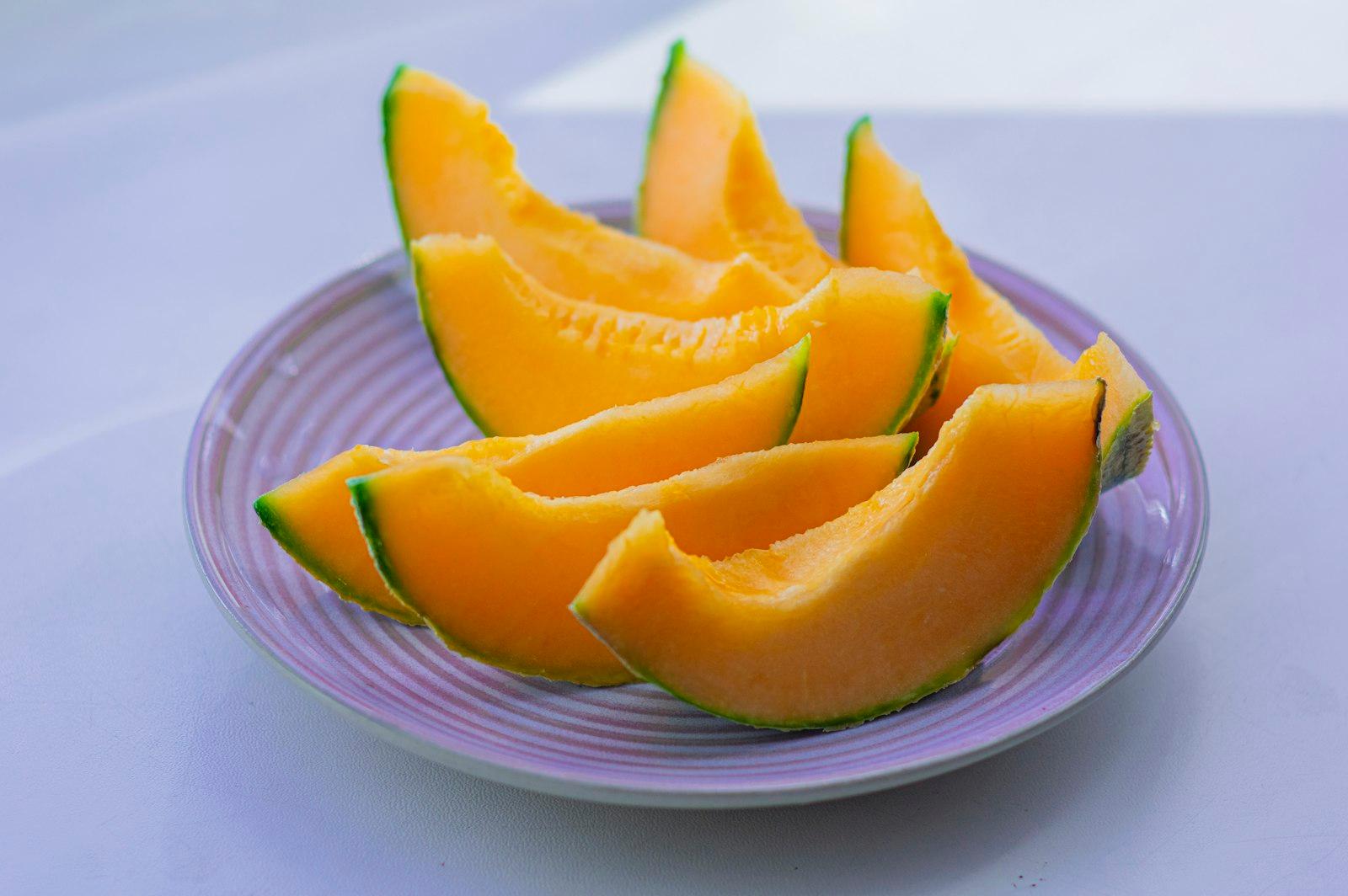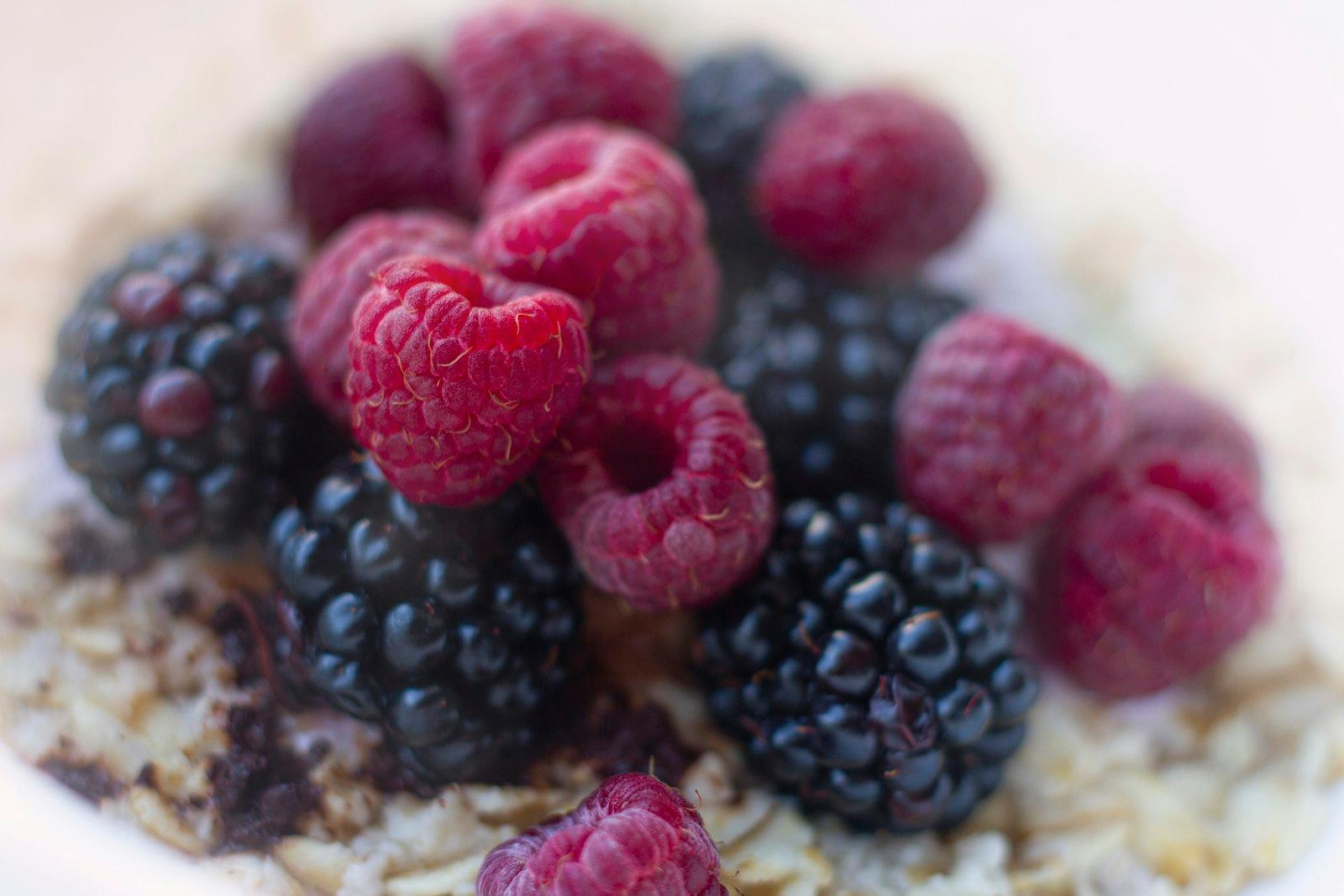
If you have searched "is fiber good or bad for Crohn's disease", you have probably been told both things, sometimes in the same week. Dietary fiber is the part of plant food that your small intestine cannot digest, so it reaches the colon intact, where it either adds bulk, holds water, or gets fermented by gut bacteria. For Crohn's disease, a chronic inflammatory bowel disease that can narrow the bowel, that makes fiber a genuinely two-sided topic: the evidence generally favors keeping fiber in the diet when the bowel is open and the disease is quiet, while a narrowed or inflamed bowel can make the same food painful or risky.
This guide pulls the scattered answers into one place. It covers the types of fiber, strictures and why they change everything, what the observational data and trials actually show, the short chain fatty acid story, and a practical way to test your own tolerance. It is general information, not personal medical advice, and it never replaces your IBD team or dietitian.
So is fiber good or bad for Crohn's disease?
In remission without a stricture, the evidence leans toward keeping fiber in your diet. With a stricture, or during some flares, the texture of fiber can make it harmful, so it needs to be adjusted. That is the position that the major dietary guidance converges on, even though the underlying trials are limited.
The International Organization for the Study of Inflammatory Bowel Diseases (IOIBD) published dietary guidance that, for Crohn's disease, advises increasing fruit and vegetables unless there are symptomatic strictures (Levine 2020). The American Gastroenterological Association (AGA) clinical practice update says a healthy Mediterranean-style diet will benefit people with IBD, but may need accommodations for food texture when there are strictures or obstructions (Hashash 2024). One of the most asked examples is covered in can you eat popcorn with Crohn's disease?; for IBS, psyllium husk for IBS looks at the best-studied soluble fiber.
On Reddit, the same split shows up in r/CrohnsDisease. In a thread asking whether fiber is a yes or no, the most common view is that there is no universal answer: people describe handling lots of fruit and vegetables in remission and sticking to simple, low fiber food during a flare. Others say moderate soluble fiber is fine but that pushing up insoluble fiber sends them back into a flare. Those are lived experiences, not evidence, but they match the logic below.
| Your situation | What the evidence and guidance suggest | Who decides |
|---|---|---|
| Remission, no stricture | Varied diet with fiber is generally encouraged; long term restriction is not supported | You and your dietitian |
| Flare, no known stricture | Many people ease off rough, raw fiber for a while; no proof it calms inflammation | Your IBD team |
| Known stricture | Texture matters most; cooked, peeled, soft or blended foods are the usual approach | Your IBD team or IBD dietitian |
| Recent bowel surgery or stoma | Individual plan, often with early texture limits | Surgeon and stoma or dietitian team |
| Obstruction symptoms (colicky pain, vomiting, no stool or gas) | Urgent medical assessment, not a diet question | Emergency care |
What kinds of fiber are there, and which is best for Crohn's?
Fiber varies in three ways that matter for Crohn's: how well it dissolves or gels, how thick its particles are, and whether gut bacteria ferment it. These properties, not the soluble versus insoluble label alone, determine what a fiber does in your gut (Gill 2021).
The soluble versus insoluble shorthand is useful but rough. A review in the Journal of the Academy of Nutrition and Dietetics argues that the physical effect of a fiber depends on whether it survives fermentation and stays intact in the colon. Gel-forming soluble fibers such as psyllium hold water in the stool, while large, coarse insoluble particles such as wheat bran mechanically irritate the gut lining and stimulate water and mucus secretion. Soluble fermentable fibers such as inulin and fructo-oligosaccharides do not have a laxative effect (McRorie 2017).
For Crohn's, that gives a practical sorting:
| Fiber type | Examples | What it tends to do | Crohn's consideration |
|---|---|---|---|
| Gel-forming soluble | Oats, psyllium, ripe banana, apple flesh | Holds water, softens or firms stool | Often better tolerated; not proven to treat inflammation |
| Fermentable soluble | Inulin, FOS, onion, garlic, some legumes | Fed on by gut bacteria; can cause gas | Can cause bloating; trial results are mixed |
| Coarse insoluble | Wheat bran, skins, seeds, nuts, raw stalks | Adds bulk and roughness | Most likely to cause pain or catch at a stricture |
| Resistant starch | Cooled potato or rice, green banana | Partly fermented | Little Crohn's-specific evidence |
There is no tested "best fiber for Crohn's disease". The most honest answer is that soft, cooked, peeled and blended sources, plus soluble fiber from foods such as oats and ripe banana, are the ones that people with Crohn's most often report coping with, and that the right choice for you depends on where in your gut the disease sits. If you want the same logic for IBS, where the soluble and insoluble story is different, see does fiber make IBS worse.
Why do strictures change the fiber advice?
A stricture is a narrowed segment of bowel, and tough or bulky plant material can lodge in it and cause pain or obstruction. This is the one situation where fiber restriction has a clear, mechanical rationale, rather than only a theory.
Strictures are common in Crohn's. In a population-based cohort from Olmsted County, Minnesota, 4.6% of people had stricturing disease at diagnosis, and the cumulative risk of developing a stricturing or penetrating complication was 33.7% at five years and 50.8% at 20 years (Thia 2010). Strictures can be inflammatory, which may respond to treatment, or fibrotic, which is scar tissue that medication does not undo. Telling them apart takes imaging and specialist input, and the European Crohn's and Colitis Organisation (ECCO) has a dedicated topical review on diagnosing and managing fibrostenosing Crohn's disease that your team works from (Rieder 2016).
Your dietary advice depends on that assessment. This is when a low residue or low fiber approach has a job to do. A review of the field notes that the two terms are used interchangeably and suggests defining a low fiber diet as a maximum of about 10 g of fiber a day (Vanhauwaert 2015). We cover what that diet is, how long it is meant to last, and how to come off it in low residue vs low fiber diet.
A few points are worth keeping in mind if you have, or might have, a stricture:
- Texture usually matters more than grams. A small portion of a tough, stringy food can cause trouble where a larger portion of a smooth, cooked one does not.
- Cooking, peeling, chopping and blending change how fiber behaves. People in r/CrohnsDisease commonly describe handling cooked vegetables or blended fruit but not raw salad or seeds.
- Chew thoroughly and eat slowly. This is common dietitian advice rather than a trial result, so confirm it with your own team.
- Do not guess. Whether your stricture is mostly inflammatory or scarred changes what is sensible, so ask your IBD team which textures are safe for you.
Some people with an ileostomy describe pain and partial blockages after eating insoluble fiber, and a recurring warning in the r/CrohnsDisease thread on how much fiber people eat is to be careful with stringy and skin-heavy foods. If that is you, our guides to foods that cause ileostomy blockage and the signs of an ileostomy blockage go through it in detail.
Does restricting fiber help Crohn's disease?
There is no good evidence that long term fiber restriction helps people with Crohn's disease who do not have a stricture. The best trial we have found no benefit, and observational data point the other way.
The classic trial is an Italian study in which 70 people with non-stenosing Crohn's disease were randomly assigned to a low residue diet or a normal Italian diet for a mean of 29 months. There was no difference in outcome, including symptoms, hospitalization, surgery, new complications, nutritional status or postoperative recurrence. The authors concluded that lifting dietary restrictions did not cause symptomatic deterioration or precipitate intestinal obstruction (Levenstein 1985). It is an old and small trial in people without strictures, so it cannot speak for people who have them.
A much larger cohort looked at the same question from the other side. In 1,619 people with IBD in remission who completed a diet survey and were followed for six months, those with Crohn's in the highest fiber quartile were less likely to have a flare (adjusted odds ratio 0.58). People with Crohn's who did not avoid high fiber foods were about 40% less likely to flare than those who did (adjusted odds ratio 0.59). There was no association between fiber and flares in ulcerative colitis, and the authors suggested that recommendations to limit dietary fiber be re-evaluated (Brotherton 2016).
There is an honest catch. In that same study, people with longer disease, previous surgery or past hospitalization ate less fiber, so sicker people may avoid fiber because their disease is already more active. This is a classic reverse causation problem: it cannot show that eating more fiber prevents flares, only that restricting it was not associated with protection.
The Cochrane review of dietary interventions in IBD adds the context that the whole evidence base is thin. It included 18 randomized trials with 1,878 participants, found most of them underpowered, and rated 14 as high risk of bias. For active Crohn's disease it found the effect of a high fiber diet on remission uncertain (Limketkai 2019). We go through the wider diet evidence in can you control Crohn's disease with diet alone.
Is a high fiber diet linked with better Crohn's outcomes?
Observational studies link higher fiber intake, especially from fruit, with a lower risk of developing Crohn's and with fewer flares, but they do not prove that fiber treats the disease. The same food habits that bring fiber, such as eating fruit, vegetables and fewer ultra-processed foods, bring other differences too.
In the Nurses' Health Study, 170,776 women were followed for 26 years, with 269 confirmed cases of Crohn's. The highest quintile of fiber intake (median 24.3 g a day) was associated with a 40% lower risk of Crohn's (hazard ratio 0.59). The link was strongest for fruit fiber, and fiber from cereals, whole grains or legumes did not change risk. There was no clear link with ulcerative colitis (Ananthakrishnan 2013). That is about the risk of getting the disease, not about managing it once you have it.
A 2023 systematic review and meta-analysis of 11 studies and 2,389 people with Crohn's reported that diets rich in fiber, with or without routine therapies, improved remission rates (Serrano 2023). The review's authors describe a fiber intake of roughly 13 to 33 g a day as safe in the Crohn's patients studied, and they treat a high fiber diet as an add-on rather than a replacement for treatment. Pooled studies of this kind combine different designs, so they are better read as encouraging than conclusive.
For the Mediterranean diet, which is fiber-rich, the best randomized evidence is a trial in 194 adults with mild to moderate Crohn's comparing it with the Specific Carbohydrate Diet. Symptomatic remission at week 6 was similar (43.5% for the Mediterranean diet and 46.5% for the SCD), and the authors suggested the Mediterranean diet may be preferred for most people because it is easier to follow (Lewis 2021). A small crossover study in 17 people with ulcerative colitis in remission or mild disease found that a low fat, high fiber diet improved quality of life and some markers, though it was small and short (Fritsch 2021).
Taken together, the signal is that a fiber-containing, plant-rich diet is not harmful for most people with Crohn's without a stricture, and may be associated with better outcomes. None of it justifies pushing up fiber quickly, or at all, against symptoms.
What do short chain fatty acids have to do with fiber and Crohn's?
When gut bacteria ferment fiber, they make short chain fatty acids (SCFAs) such as butyrate, which feed the cells lining the colon and help regulate the immune system. People with IBD tend to have fewer fiber-fermenting bacteria and lower SCFA levels, which is the main biological reason fiber is thought to be helpful.
A review in Frontiers in Immunology summarizes that bacteria which ferment fiber and produce SCFAs are typically reduced in the mucosa and stool of people with IBD, and that fecal SCFA levels are reduced in active disease. SCFAs are a key fuel for the cells that line the gut, strengthen the gut barrier, and have immune-regulating effects, though much of the mechanistic evidence comes from cell and animal models (Parada Venegas 2019).
A newer 2026 study followed 3,314 healthy first-degree relatives of people with Crohn's, 94 of whom developed the disease. Higher estimated intake of beta-glucan (hazard ratio 0.70) and inulin (hazard ratio 0.68) was associated with lower risk, along with markers of a healthier gut barrier (Xue 2026). That is a risk study in relatives who did not have Crohn's, so it does not tell someone who already has the disease to eat more of these fibers.
The theory is appealing, but the next section shows why it has not translated into a simple "eat more fermentable fiber" rule.
Do fiber supplements or prebiotics work in Crohn's trials?
Not reliably. Trials of prebiotic fibers in Crohn's disease have been small, mixed, and in some cases no better than placebo. The meta-analytic certainty of evidence is very low.
Two studies of fructo-oligosaccharide (FOS) illustrate the problem. An open-label pilot in 10 people with active Crohn's found disease activity fell on the Harvey Bradshaw index and fecal bifidobacteria rose after three weeks (Lindsay 2006). But a later randomized, double-blind, placebo-controlled trial in 103 people with active Crohn's found no significant difference in clinical response (22% on FOS versus 39% on placebo), and more people on FOS withdrew before the end (26% versus 8%) (Benjamin 2011). The better-designed trial did not confirm the early promise.
A 2025 systematic review of 17 prebiotic studies in IBD concluded that, for Crohn's, oligofructose-enriched inulin and lactulose were no different from controls for inducing remission, and FOS was no different for maintaining it. Flatulence and bloating were more common with oligofructose-enriched inulin. The authors rated the overall certainty of evidence very low (Limketkai 2025).
There is also a cautionary lab finding. A study in Gastroenterology found that unfermented beta-fructan fibers triggered pro-inflammatory responses in a subset of IBD gut biopsies grown ex vivo, and the effect was linked to microbes that lack the ability to ferment these fibers, with results validated in a trial of beta-fructan supplementation. The authors concluded that although fibers are typically beneficial in people with normal fermenting capacity, some fibers may be harmful in select people with active IBD who lack these microbes (Armstrong 2023). It is early research, but it fits the everyday report that some people tolerate one fiber and not another.
In r/CrohnsDisease threads, people describe using psyllium husk or similar supplements for loose stool for years, and others find them unhelpful. That is anecdote, not evidence, and nothing here is advice to start or stop any supplement. If you are curious about one, ask your IBD team or pharmacist, particularly if you have a stricture or a stoma.
What does the fiber conversation look like during a flare?
During a flare, many people ease off rough, raw and seedy fiber and lean on softer, cooked foods, but there is no evidence that doing so reduces inflammation. It is a symptom strategy, and your medication and IBD team treat the flare itself.
Low fiber eating is a convention rather than a tested treatment: the field has no accepted quantitative definition for it (Vanhauwaert 2015), and the Cochrane review found the evidence for dietary interventions in active Crohn's uncertain (Limketkai 2019). People in the r/CrohnsDisease threads describe the same pattern: a simple, low fiber diet in a flare and a broader diet in remission. A practical flare-time food list lives in what to eat during a Crohn's flare-up, and our guide to low FODMAP for Crohn's explains why a low fiber list and a low FODMAP list can conflict.
If you have blood in your stool, fever, weight loss, severe pain, or a flare that is not settling, see a doctor promptly. Diet changes are not a substitute for a medical review.
How can you test your own fiber tolerance with Crohn's?
Test one food at a time, in a small portion, cooked first, and write down what happens over the next one to two days. Two people with the same diagnosis can respond very differently, so your own record is more useful than any general list. For two worked single-food examples, see nuts and Crohn's flares and tomatoes with Crohn's.
Run this only when you are stable, do not have a known stricture unless your team has agreed a plan, and are not in a flare.
- Agree the plan. Tell your IBD team or dietitian what you intend to test, especially if you have had surgery or a stricture.
- Pick one food and one preparation. For example, steamed peeled carrot, then later the same carrot raw. Changing both food and cooking at once hides the cause.
- Start with a small portion. A few tablespoons, not a bowl.
- Chew well and eat slowly. Do this every time, so it is not a hidden variable.
- Log it. Record the food, how it was prepared, the portion, and any pain, gas, stool changes, urgency or nausea over the next 24 to 48 hours. Note your disease state that week too.
- Wait before the next test. Leave at least a day or two so symptoms from one food do not blur into the next.
- Move up gently. If a food is fine, try a slightly larger portion or a slightly tougher preparation another day.
- Stop and call your team if you get pain that builds, vomiting, or bloating that does not settle.
A food diary makes this far easier than memory. Clairop, an iPhone symptom tracker, lets you log meals by tap, voice, a typed sentence or a photo, and record Bristol stool entries with blood, mucus, urgency and night-time detail. That makes it easier to line up a higher fiber week with a lower one, and to show your team the pattern. It does not diagnose or tell you what to eat. See how it works, our guide to a food diary app for Crohn's disease, and how to track symptoms during a flare.
Clairop logs meals, symptoms and stool in seconds, then looks for the foods your gut reacts to, including reactions that land days later.
What are the common myths about fiber and Crohn's?
Most fiber myths in Crohn's come from treating a stricture or flare rule as a rule for everyone. The evidence is more nuanced.
- "Everyone with Crohn's should avoid fiber." Not supported. In a trial without strictures, long term restriction did no better than a normal diet (Levenstein 1985).
- "Fiber causes flares." No good evidence that it does. A large cohort linked avoiding high fiber foods with more flares, with the reverse causation caveat above (Brotherton 2016).
- "More fiber is always better." No. Fermentable prebiotic fibers have not shown reliable benefit in Crohn's trials, and some people get gas and bloating (Limketkai 2025).
- "Soluble fiber is always safe and insoluble always bad." Too simple. Fermentability, viscosity and particle size also matter (Gill 2021).
- "If food bothers me, it is inflaming my bowel." Symptoms are not the same as inflammation, which is why a cautious, structured test beats permanent avoidance.
- "Fiber supplements can replace treatment." No. Even the authors of the high fiber meta-analysis describe fiber as an adjuvant to treatment, not a replacement (Serrano 2023).
When should you see a doctor?
Seek urgent care for signs of obstruction, and see a doctor promptly for blood in stool, unexplained weight loss, fever, or a flare that is not settling. Do not try to solve these with fiber changes.
- Colicky pain that comes in waves, repeated vomiting, a swollen belly, or no stool or gas: urgent medical care.
- Blood in your stool, fever, night-time symptoms or unexplained weight loss: see a doctor promptly.
- Worsening symptoms after a new food that do not settle within a day or two: contact your IBD team.
- Cutting out whole food groups and losing weight or energy: ask for a dietitian review, because restriction can cause malnutrition.
Questions worth bringing to your IBD team or dietitian: Do I have a stricture, and is it mostly inflammatory or scarred? Which textures are safe for me? What fiber target, if any, makes sense in remission? Should I try a fiber supplement, and how would I stay safe with it?
The short version
Fiber is not good or bad for Crohn's in general. The evidence supports keeping a varied, fiber-containing diet when you are in remission and have no stricture, and it does not support open-ended restriction. A stricture, a flare, or recent surgery changes the picture and needs your team's guidance on texture. Prebiotic fiber supplements have not shown reliable benefit, so there is no case for forcing more fiber. The evidence has real limits: most fiber data are observational, the trials are small, and almost none separate people with strictures from people without. The most useful thing you can do is test your tolerance slowly and keep a record.