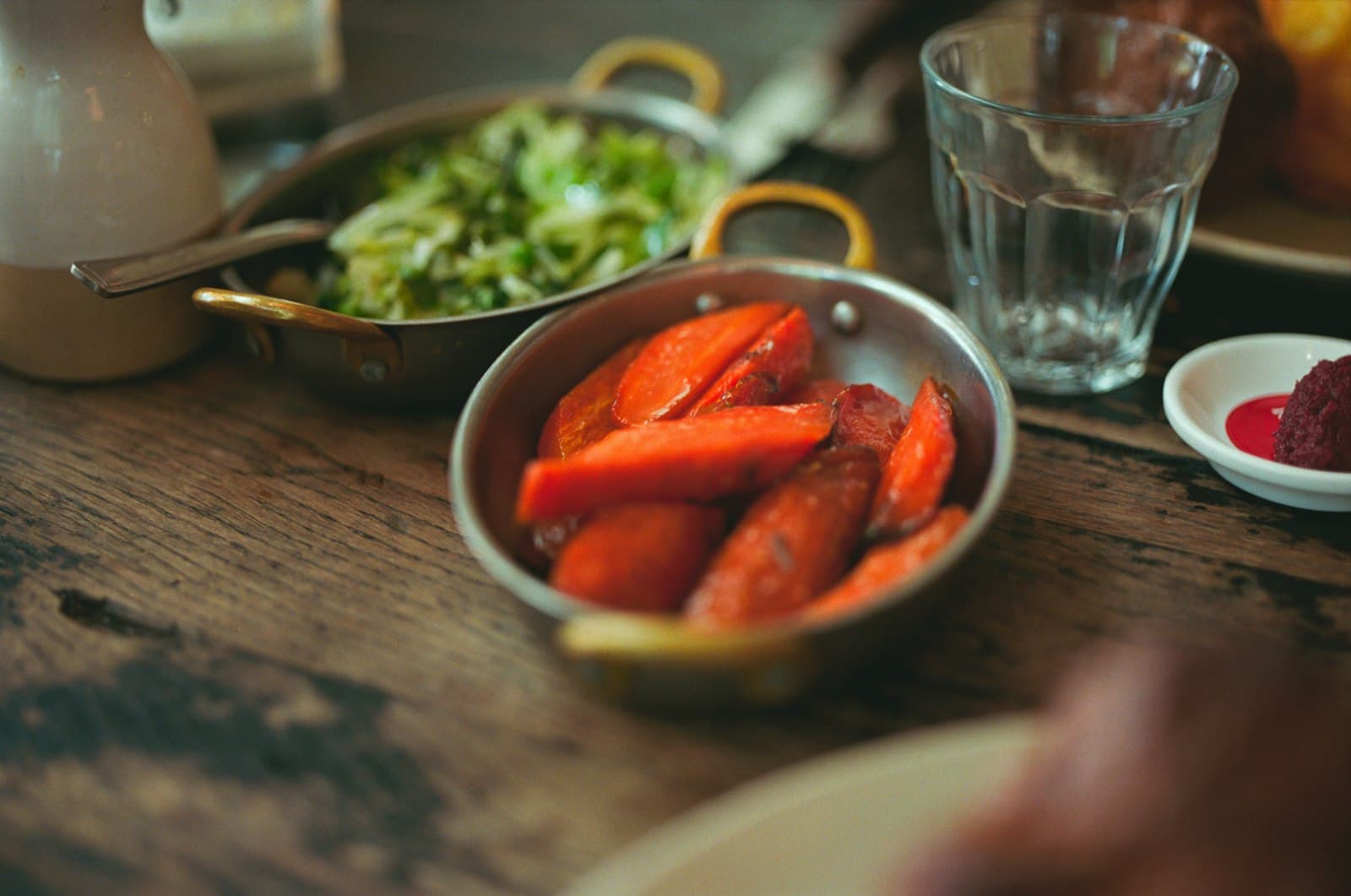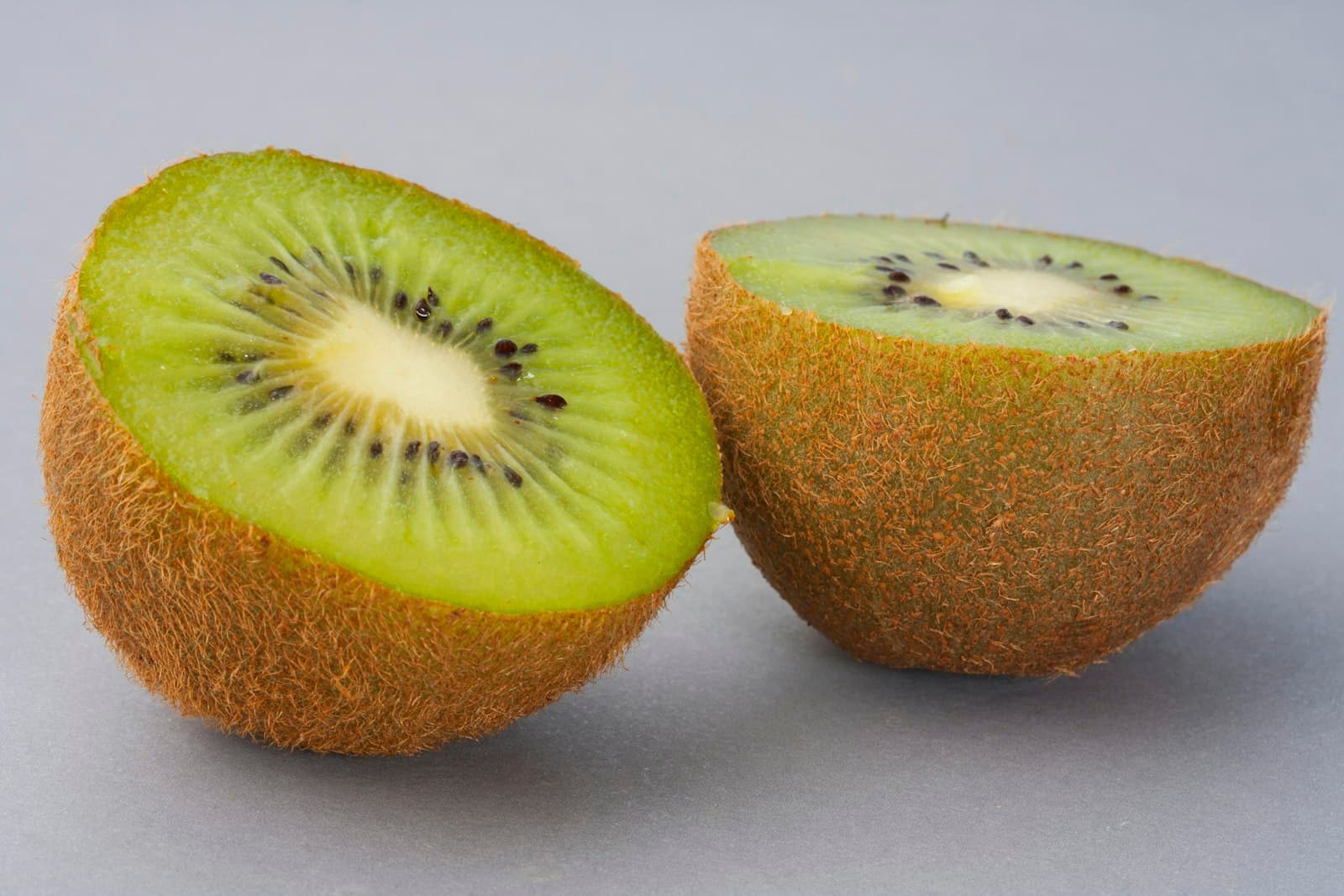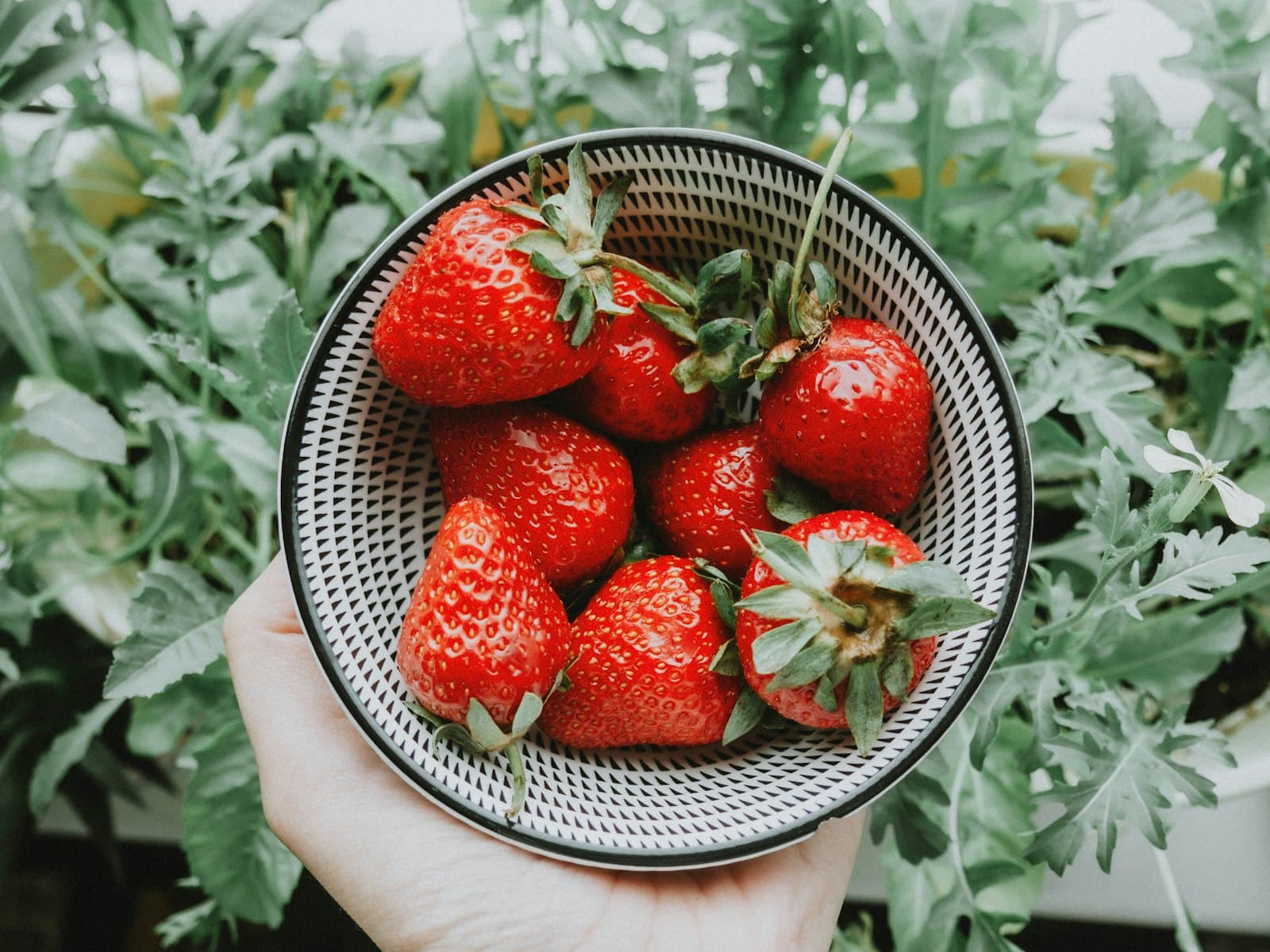
The best low FODMAP snacks are boring on paper and reliable in practice: plain rice cakes, plain salted crisps or corn tortilla chips, hard cheese, peanut butter, eggs, and one portion of firm fruit. What makes a snack work is less the food than the dose. Snacks are the part of the day where portions go unmeasured, where processed ingredients sneak in, and where the same "safe" thing gets eaten three or four times before dinner.
This post is about that problem rather than another list of 40 brand names. It covers what laboratory testing has actually measured in common snack foods, how to read a snack bar, why sugar-free snacks are a special trap, what to do when you are hungry all the time on the diet, and what the evidence says about whether you should be snacking at all. The ideas list is in the middle if you want to skip to it.
The short answer: snack from simple bases, and measure the bag
A good low FODMAP snack is a food with a short ingredient list, eaten in an amount you have actually looked at. That rules in more than people expect: rice cakes, plain crisps, corn tortilla chips, saltine-style crackers, popcorn for many people, hard cheese, lactose-free yoghurt, eggs, peanut butter, a measured handful of peanuts or macadamias, and a single portion of firm fruit. It rules out less than people fear, because most of what goes wrong is not the base food but what has been added to it, or how much of it was eaten.
The low FODMAP diet is a short, structured process, ideally done with a dietitian, that runs from a few weeks of restriction into reintroduction and then a personalised long-term diet. It is not a permanent way of eating. The British Society of Gastroenterology recommends it as a second-line dietary approach, supervised by a trained dietitian, after simpler first-line advice (Vasant 2021). Everything in this article sits inside that frame. Snacks during elimination should be predictable; snacks after reintroduction can be whatever you have proven you tolerate. If you are unsure how long the restriction phase should last, our post on how long to do the low FODMAP diet covers it.
Why snacks go wrong more often than meals
Snacks fail for three reasons that meals mostly escape: nobody measures them, they are more likely to be manufactured, and they repeat through the day.
One: the portion is a bag, not a serving
FODMAP symptoms are dose-dependent. In a double-blind rechallenge trial of 25 people with IBS who had improved on restriction, symptoms returned in 70% of people given fructose, 77% given fructans and 79% given both, against 14% given glucose, and symptoms were induced "in a dose-dependent manner" (Shepherd 2008). That trial was in people with IBS and fructose malabsorption who had already responded to diet, so it is a selected group, but the dose principle is the reason every low FODMAP rating comes with a serving size attached.
The cutoffs that decide whether a food counts as "low" were derived from the FODMAP content of typical servings, comparing foods that commonly trigger symptoms with foods that are generally tolerated (Varney 2017). A rating describes that serving. Nobody tested the half-bag you ate during a long phone call.
And the half-bag is normal human behaviour, not a failure of willpower. A Cochrane review of 72 studies found that people consistently eat more when offered larger portions or packages, with a small to moderate effect in adults (standardised mean difference 0.46, 95% CI 0.40 to 0.52) (Hollands 2015). Those studies were in the general population, not people with IBS, and the review rated its included studies at unclear or high risk of bias, but the direction is consistent: the size of the bag sets the size of the snack.
Two: snack foods are more likely to be manufactured
Meals tend to be built from ingredients. Snacks tend to be bought as finished products, and finished products are where FODMAPs get added for texture, sweetness or a fibre claim. Food processing and ingredient choice change FODMAP content, and in the US, high-fructose corn syrups may push some processed foods into excess fructose (Varney 2017). The same food sold in two countries can be two different recipes.
Three: the same snack repeats
A snack that is fine once can stack when it is eaten mid-morning, mid-afternoon and again in the evening alongside other small servings. We cover the mechanism and examples in detail in our post on FODMAP stacking, which already explains how drinks, gum and packets build up through a day. The short version for snacks: count how many times a day you reach for the same thing.
A useful benchmark comes from the trial that first showed the diet working under controlled feeding. Almost all food was provided, and the low FODMAP diet aimed for less than 0.5 g of FODMAPs per meal (Halmos 2014). In that trial, people with IBS scored 22.8 mm on a 100 mm overall symptom scale on the low FODMAP diet against 44.9 mm on a typical Australian diet. Keep the half-gram figure in mind for the next section. It was a research target for a whole meal, not a personal limit, but it tells you the scale the diet operates at.
What lab testing has actually measured in snack foods
Most snack lists online are written from other snack lists. Very few cite a measurement. Here is what the peer-reviewed food-composition papers we could find actually say about foods people eat as snacks.
The Australian grain analysis measured 55 grain products, breads, cereals, pulses and biscuits. Total fructan per portion as eaten ranged from 0.81 g in a muesli fruit bar down to 0.05 g in potato chips, and from 0.96 g in a wheat-free muesli down to 0.11 g in oats; rice contained none (Biesiekierski 2011). Put that next to the Halmos target: a single muesli fruit bar carried more fructan on its own than the trial allowed in total FODMAPs for a meal. A portion of plain potato chips carried about a sixteenth as much.
A smaller US analysis, done to choose foods for a children's low FODMAP trial, tested foods bought from a Houston supermarket and a food-service supplier (Chumpitazi 2018). Several findings matter for snacking:
- Plain saltine crackers had no FODMAPs detected. Cooked white and brown rice had none.
- All three snacks tested (regular pretzels, plain potato chips and oven fries) had small amounts of fructo-oligosaccharides and fructose in excess of glucose.
- All three gluten-free baked products tested contained excess fructose and fructo-oligosaccharides. None of it was declared on the label.
- A rice-based breakfast cereal often eaten dry as a snack contained both fructo-oligosaccharides and excess fructose.
- Peanut butter had a small amount of fructose (less than its glucose) and a trace of fructo-oligosaccharides.
- Cheddar and a string-cheese product contained lactose at about 2 g per 100 g; lactose-free milk had none detected.
That study was funded by the US National Institutes of Health and its authors declared no conflicts. It tested one sample of each product, so it tells you what is possible rather than what every bag on the shelf contains.
| Snack | What was measured | What it means for you |
|---|---|---|
| Plain potato chips | 0.05 g fructan per portion (Australia); small FOS and excess fructose per 100 g (US) | Low per serving; a large bag is several servings |
| Muesli fruit bar | 0.81 g fructan per portion | One bar can exceed a whole low FODMAP meal target |
| Saltine crackers | Nothing detected (US) | One of the most predictable crunchy bases |
| Plain rice | No fructan (Australia); nothing detected (US) | Rice cakes and rice crackers start from a clean base; check what is added |
| Pretzels | Small FOS and excess fructose (US) | Wheat-based; modest per serving, adds up |
| Gluten-free baked goods | Excess fructose and FOS, unlabelled (US) | Gluten-free is not a FODMAP rating |
| Peanut butter | Fructose below glucose, trace FOS (US) | A low-carbohydrate snack base; watch fat if fat bothers you |
| Cheddar, string cheese | About 2 g lactose per 100 g (US) | A typical stick carries well under 1 g of lactose |
| Sugar-free gum | Contains sorbitol | A polyol source that rarely gets counted |
The same research group behind the Australian grain analysis has also pointed out that FODMAP food lists often disagree with each other because they use different serving sizes and different cutoffs, not necessarily because the food is different (Varney 2023). That is why one app or list can call a snack "green" and another call it "amber". Before you decide one of them is wrong, check whether they are describing the same amount.
A disclosure worth having: most of the food-composition work cited in this article, along with the 2014 feeding trial, comes from one university research group that also runs a low FODMAP app and a product certification programme. Their data is the foundation of the whole field and the papers are peer-reviewed. It is still worth knowing who produced the numbers. We are not affiliated with that group or its certification programme.
Low FODMAP snack ideas, grouped by the problem they solve
The lists below are organised by situation rather than alphabetically, because "what can I eat" usually means "what can I eat right now, here, with what I have". They are starting points from the published measurements above and from what people in the FODMAP community report tolerating, not a guarantee for any individual. Portion is part of every entry.
When you need something with no fridge and no prep
- Plain rice cakes or rice crackers. Rice measured fructan-free. Check flavoured versions for onion, garlic or cheese powders.
- Saltine-style crackers. No FODMAPs detected in the one US brand tested.
- Plain salted crisps. Among the lowest-fructan snacks measured. Flavoured crisps are a separate product.
- Corn tortilla chips. A common choice in community threads. Check that the ingredient list is corn, oil and salt.
- Peanut butter in single-serve packets. Pre-portioned, which solves the jar problem.
- A small pre-measured bag of peanuts or macadamias. Measure it at home; nobody measures nuts from a bag.
- Firm, just-yellow banana, an orange or a kiwifruit. One piece. Our breakfast post covers the banana ripeness evidence, which is weaker than the internet suggests.
- Roasted seaweed snacks. Popular in the threads; check the seasoning.
When you want something sweet
- Rice cake with peanut butter and a few dark chocolate chips. A community favourite, often made in batches and frozen.
- A small portion of strawberries or blueberries with lactose-free yoghurt. Whole fruit, measured, rather than a smoothie.
- Plain dark chocolate, a few squares. Milk chocolate contains milk and therefore lactose; the darker and plainer, the fewer extra ingredients to check.
- Gluten-free biscuits or cookies, a stated number. Count them out. See the portion section below.
- Homemade bakes with oats, peanut butter and maple syrup. People adapt recipes by swapping honey for maple syrup and oat milk for a lactose-free or almond option.
- Sweets sweetened with sugar or glucose syrup, not sugar alcohols. Ordinary sugar (sucrose) is not a FODMAP; the sugar-free versions often are.
When you are genuinely hungry and need volume
- A bowl of plain rice, congee or leftover potatoes. Not glamorous, but rice measured fructan-free and potatoes are a staple of the diet.
- Hard-boiled eggs. Eggs contain almost no carbohydrate, so almost no FODMAPs.
- Tinned tuna or salmon on rice crackers. Protein keeps people fuller, by their own report in the threads.
- A sandwich on spelt sourdough or gluten-free bread with a tolerated filling. Sometimes the right snack is a small meal.
- Popcorn, if fibre suits you. High volume per calorie; see the popcorn section for why it bothers some people.
- Broth-based soup made without onion or garlic. One long thread on large-volume snacks was dominated by soup, for the obvious reason that water fills you up.
When you need protein
- Hard cheese. Cheddar, parmesan and similar aged cheeses are the usual choices; see the lactose arithmetic below.
- Lactose-free yoghurt or lactose-free Greek yoghurt.
- Plain jerky or cooked meat. Check the marinade for onion, garlic and honey.
- Firm tofu or tempeh, cooked and cubed. Tempeh measured 0.26 g of FODMAPs per serve in one analysis and was classed as low (Tuck 2018). Our vegetarian protein post has the full picture.
- A tested protein bar or shake, read carefully. See the bar section.
Before exercise
- Rice cake with peanut butter, a firm banana, toast with jam, or plain rice cereal. These are what people in a 42-comment thread on fuelling for training reported using, and they share a logic: mostly simple starch, little fibre and fat. Our post on exercise and IBS flare-ups covers why gels and sports drinks need a separate label check.
At a desk, all day
- A pre-filled container for the afternoon, rather than the multipack in the drawer. This is the single change most likely to help, and it costs nothing.
- Two different snacks rather than three of the same, to spread different FODMAP subgroups rather than repeat one.
Snack bars: the five things to find on the wrapper
Bars are the snack people ask about most and the one most likely to go wrong. They are designed around protein, fibre and sugar claims, and the ingredients that deliver those claims are often FODMAPs.
1. Chicory root fibre, inulin, oligofructose or FOS. These are fructans, the same class of carbohydrate found in wheat, onion and garlic. In the US analysis, the inulin-FOS reference material was 94% fructo-oligosaccharide by weight (Chumpitazi 2018). Added fibre is the single most common reason a "healthy" bar or gluten-free snack causes trouble, and threads about mystery reactions to gluten-free pretzels and new snacks repeatedly land on it (r/FODMAPS thread; r/FODMAPS thread). Our post on whether fibre makes IBS worse explains why this kind of fibre behaves so differently from psyllium.
2. Sugar alcohols. Anything ending in "-itol" (sorbitol, mannitol, maltitol, xylitol) plus isomalt. These are polyols. They get their own section below.
3. Honey, agave, high-fructose corn syrup, apple or pear juice concentrate. These are excess-fructose sweeteners. Varney and colleagues single out high-fructose corn syrups as a likely reason some US processed foods carry more excess fructose (Varney 2017).
4. Dried fruit and dates as the binder. Drying removes water, not sugar, so a few dates or a sprinkle of dried fruit concentrates whatever fructose and sorbitol the fresh fruit had into a small volume.
5. Protein sources you have not tested. Pea protein, soy protein and whey all appear in bars. A 69-comment thread about one certified bar brand found a recurring pattern: several people reacted to the flavours containing pea protein and tolerated the ones without (r/FODMAPS thread). We could not find any published measurement of the FODMAP content of pea protein isolate in our searches, so we cannot tell you whether that is a FODMAP effect, a dose effect, or something else. It is a pattern people report, not an established fact.
What a low FODMAP certification logo does and does not mean
A certification logo is the most useful shortcut on a wrapper. The best-known programme, run by the university group mentioned above, describes its logo as meaning the product has been independently tested by its FODMAP laboratory and found suitable for low FODMAP diets (Monash University). That is real testing, which no ingredient list can match.
What it cannot do is follow you past the serving. Because low FODMAP status is always defined per serving (Varney 2017), two bars are not a certified dose, and a certified bar eaten alongside three other small servings can still stack. Certification also applies to the specific product tested: a brand can have certified and uncertified flavours on the same shelf, and one person in that bar thread described a rough night after eating two of the brand's uncertified flavour during elimination. Check the logo is on the flavour in your hand, not just the brand.
If you want a tool to do the reading for you, Clairop can scan a barcode, pull the ingredient list and break the FODMAP load down by subgroup, and it says so when an ingredient is not in its reference table rather than assuming it is low. Our post on low FODMAP barcode scanner apps explains the limit of every scanner, Clairop's included: a barcode carries the ingredient list, not the amounts, and it does not know how many you are about to eat.
Sugar-free snacks and the 50-gram warning label
Sugar-free sweets, gum, mints and many "low sugar" protein products replace sugar with polyols, and polyols are a FODMAP subgroup. This is the snack category where the label is most misleading, because the one warning it carries is set far above the dose that affects people with IBS.
In a randomised, double-blind trial, 20 people with IBS and 21 healthy volunteers were given 10 g of sorbitol, 10 g of mannitol or glucose. Overall gastrointestinal symptoms rose significantly after both polyols in the IBS group only, and the rise did not depend on whether the person fully absorbed the polyol (Yao 2014). The same paper found sorbitol in sugar-free gum and certain fruits. An older study gave 10 g of sorbitol to 42 healthy adults with no gut condition, and roughly half developed symptoms (Jain 1985). A systematic review of 79 studies concluded that polyols cause dose-dependent flatulence, discomfort and laxative effects in both healthy people and people with IBS, and that malabsorption increases when polyols are eaten together (Lenhart 2017).
Now the US labelling rule. Under the federal regulation for sorbitol, a food must carry the statement "Excess consumption may have a laxative effect" when its reasonably foreseeable consumption could deliver 50 g of sorbitol a day (FDA 21 CFR 184.1835). That threshold is five times the 10 g challenge dose that raised symptoms in people with IBS in the trial above. A sugar-free snack can sit far below the warning threshold and still be a meaningful dose for you.
NICE's general advice for IBS already says people with diarrhoea should avoid sorbitol, naming sugar-free sweets, chewing gum, drinks and some diabetic and slimming products (NICE CG61). If your snacks are sugar-free because you are managing blood sugar or weight, that is a good reason to involve a dietitian rather than simply switching back to sugar.
Crunchy and salty: popcorn, chips, crackers and pretzels
Plain crunchy snacks are the easiest part of a low FODMAP day to get right, with three exceptions: popcorn's fibre, seasoning, and gluten-free products assumed to be safe.
Popcorn
Popcorn appears as a low FODMAP snack on almost every list, and people in the threads call it "basically infinitely safe" in one breath and their worst trigger in the next (r/FODMAPS thread; r/ibs thread). We could not find a peer-reviewed FODMAP measurement of popcorn in our searches, so we cannot give you a figure, and we would treat the confident gram limits on some websites with caution unless they name their source.
What is clearer is that popcorn is a whole grain with a lot of insoluble fibre, and the BSG guideline notes that insoluble fibre such as wheat bran "may exacerbate abdominal pain and bloating" in IBS, while the benefit of fibre in its meta-analysis was limited to soluble fibre (Vasant 2021). That is about bran, not popcorn specifically, but it is the most plausible reason popcorn is fine for one person and bad for another even though neither is reacting to FODMAPs. In the popcorn thread, the poster's husband noticed the trouble began when a buttery microwave product joined the routine, and several replies suggested testing plain air-popped corn before giving it up. That is good method: change one thing at a time.
Chips, crisps and tortilla chips
Plain salted crisps measured among the lowest-fructan snacks in the Australian grain analysis (Biesiekierski 2011). The US analysis found small amounts of fructo-oligosaccharides and excess fructose in one brand of plain chips (Chumpitazi 2018). Our arithmetic from the US per-100 g figures: a 28 g serving would carry roughly 0.15 g of combined fructo-oligosaccharides and excess fructose, and a 200 g sharing bag about seven times that. Low per serving, not low per bag.
Flavoured crisps are a different product. Onion, garlic, "spices", cheese powder, whey and sometimes lactose are common seasonings. "Natural flavourings" and "spices" are not itemised, which is a problem our barcode scanner post covers in detail.
Crackers and pretzels
Saltine-style crackers had no FODMAPs detected in the US analysis, which makes them one of the most predictable crunchy bases there is. Regular pretzels are made from wheat and carried small amounts of fructo-oligosaccharides and excess fructose (Chumpitazi 2018). Gluten-free pretzels and crackers are not automatically better. A 73-comment thread asked which ingredient in a gluten-free snack had caused severe pain, and nearly every reply pointed at the inulin in the ingredient list (r/FODMAPS thread). The general point, that gluten-free is not a FODMAP rating, is covered with the cost implications in our post on cheap low FODMAP meals.
Fruit as a snack: one portion, not a list
Fruit is where the "low FODMAP snacks" lists are most misleading, because they list fruits rather than portions. One reply in a thread for a partner starting elimination recommended "basically all fruits as snacks" (r/FODMAPS thread). That is not what the measurements show.
In the Australian fruit and vegetable analysis, apple, pear, mango, clingstone peach and watermelon all contained fructose in excess of glucose, and sorbitol was found in 15 of the 41 fruits tested, at 0.53 to 5.99 g per 100 g (Muir 2009). Some fruits are higher in FODMAPs at any sensible portion; others are fine at one portion and not at three. Our post on what FODMAP stands for explains why excess fructose, rather than fructose itself, is what counts.
Three practical rules follow:
- One portion at a time, spaced apart. NICE's general IBS advice is to limit fresh fruit to three portions a day of about 80 g each (NICE CG61). That is first-line advice for everyone with IBS, not a FODMAP rule, but it is a sensible ceiling during elimination too.
- Whole fruit beats juice and smoothies. Blending removes the natural brake on how much you eat.
- Dried fruit is concentrated fruit. A small box of raisins is the sugars of a much larger pile of grapes. Treat it as a reintroduction food, not an elimination snack.
The US analysis found that firm banana, red grapes, navel orange, pineapple and strawberry all had more glucose than fructose in the samples tested, with a small amount of fructo-oligosaccharide in banana (Chumpitazi 2018). That supports these as reasonable snack fruits. It does not make them unlimited.
Dairy snacks: the lactose arithmetic
Cheese is one of the most useful low FODMAP snacks, and one of the most needlessly avoided. People often cut all dairy when the diet only asks them to limit lactose during elimination, and only matters at all if lactose turns out to be one of their triggers.
The US analysis found about 1.9 g of lactose per 100 g in a mild cheddar and about 2.1 g per 100 g in a string-cheese product (Chumpitazi 2018). Our arithmetic: a 28 g string-cheese stick would carry roughly 0.6 g of lactose. For comparison, a systematic review of randomised trials found moderate-quality evidence that 12 to 15 g of lactose, roughly a cup of milk, is well tolerated by most adults with lactose intolerance or malabsorption (Shaukat 2010). That review was not specific to IBS, and people with IBS can be more sensitive, but the gap between half a gram and twelve is large.
Aged hard cheeses tend to be lower in lactose still, and lactose-free yoghurt, milk and cream cheese are made with added lactase. If lactose-free products still bother you, the reason is probably not lactose, and our post on why lactose-free milk can still upset your stomach works through the alternatives, including fat. One reply in a hunger thread suggested fat rather than lactose as the culprit, describing a couple of years spent finding their own limit. That is worth considering if rich cheese bothers you while plain lactose-free milk does not.
Nuts, seeds and nut butter
Nuts are a high-protein, no-prep snack, and the evidence base for their FODMAP content is thinner than for grains, fruit and vegetables. We could not find a peer-reviewed paper measuring the FODMAP content of common nuts in our searches. The ratings you see online for individual nuts appear to come from food testing published through apps and websites rather than journals. We are not saying those ratings are wrong, only that we cannot cite them.
What we can say:
- Peanut butter measured low. In the US analysis it had less fructose than glucose and only a trace of fructo-oligosaccharides (Chumpitazi 2018). Check that yours is peanuts and salt rather than peanuts, sugar syrups and added fibre.
- Portion is the whole question. A handful of nuts is a loose unit, and nut butter concentrates many nuts into a spoonful. One person in a large-portion thread described tolerating about 15 to 20 nuts across a day but only a small teaspoon of nut butter.
- Fat is a separate trigger for some people. Nuts and nut butters are high in fat. Fat is not a FODMAP, but it is a recognised reason meals and snacks provoke symptoms, particularly in IBS with diarrhoea; our breakfast post covers the lab evidence on fat and colonic sensitivity.
Cold rice and potatoes: a resistant starch disagreement
A popular tip in the threads is to cook rice or potatoes in batches, chill them, and reheat them for snacks, sometimes with the added claim that cooling makes them better for you. There is a real disagreement hiding here.
Cooling cooked starch does raise its resistant starch content. In a small study of white rice, cooling for 24 hours in the fridge and then reheating raised resistant starch from 0.64 g to 1.65 g per 100 g, and lowered the blood-glucose response in 15 healthy adults (Sonia 2015). That study measured blood sugar in people without IBS, not gut symptoms.
NICE's general dietary advice for IBS, meanwhile, suggests reducing resistant starch, which it describes as "often found in processed or re-cooked foods" (NICE CG61), because starch that reaches the colon is fermented there. So the same change is presented as a benefit in one place and a trigger in another.
We could not find a trial testing reheated rice or potatoes against freshly cooked ones in people with IBS. The honest reading: the absolute difference in that rice study was about a gram per 100 g, batch cooking is a genuinely useful habit, and if chilled-and-reheated starch seems to bother you, cooking fresh is an easy test. Neither direction is established for IBS.
Clairop logs meals, symptoms and stool in seconds, then looks for the foods your gut reacts to, including reactions that land days later.
Should you snack at all?
There is no good evidence that snacking itself either helps or harms IBS. The guideline advice is to eat regularly; the studies of snack frequency are cross-sectional and point in different directions.
NICE's first-line advice for everyone with IBS is to "have regular meals and take time to eat" and to "avoid missing meals or leaving long gaps between eating" (NICE CG61). The BSG guideline describes this kind of traditional dietary advice, regular meals and adequate nutrition among it, as first-line, while noting that its evidence rests on clinical experience and plausible mechanisms rather than trials against a control (Vasant 2021).
The observational studies are mixed:
- In 4,669 adults in Isfahan, Iran, there was no significant relationship overall between snack or main-meal frequency and IBS after adjustment, although women who ate three main meals a day were less likely to have IBS symptoms than those who ate one (adjusted odds ratio 0.56) (Vakhshoori 2021).
- In 204 adults in Saudi Arabia with self-diagnosed or Rome IV IBS, more frequent snacking was independently associated with lower symptom severity (Ajabnoor 2025).
Both are cross-sectional. Neither can tell you whether snacking lowers symptoms or whether people with milder symptoms simply feel able to snack. So the practical answer is to choose the pattern that keeps you adequately fed without discomfort. For many people on a restricted diet, that means planned snacks, because the alternative is long gaps followed by large meals.
One related myth is worth a sentence. You may have read that eating between meals stops your gut's cleaning cycle from working. Parts of that are true, since eating does interrupt the fasting cleaning wave, and parts are not; our post on loud stomach noises with IBS covers what is and is not known.
Hungry all the time on the low FODMAP diet
Feeling hungry during elimination is common, and there is a measurable reason for it. In a US trial of 78 people with IBS with diarrhoea, those on a 4-week low FODMAP diet reported eating fewer calories, fewer meals a day and less carbohydrate than at baseline, and so did the comparison group on a modified NICE diet (Eswaran 2020). Most micronutrient intakes stayed within recommended allowances, but the energy drop is the part people feel. That study was funded by the US National Institutes of Health; we could not read a conflict-of-interest statement for it.
A 60-comment thread captures what this feels like: someone started the diet on a doctor's advice, ate a sandwich, crisps and a bar, and still felt as if they had not eaten for hours (r/FODMAPS thread). The replies converged on the same fixes: more rice and potatoes, more protein, hard cheese if dairy is otherwise fine, and planning three snacks a day rather than relying on willpower. That is lived experience, not evidence, but it matches the mechanism. Bread, pasta, legumes and a lot of fruit were doing the filling; something has to replace them, not just be removed.
Snacks for specific situations
Travel
The traveller's problem is that the safe food you can buy at an airport or service station is close to nothing, so you carry it. One travel thread asked for snacks that need no fridge, are not too sweet and pack for flights; the replies were popcorn, tortilla chips, rice cakes with a seed butter, peanut-butter packets, carrots, firm fruit and hard-boiled eggs for the first few hours (r/FODMAPS thread). That thread was also about histamine, which is a separate question from FODMAPs; several replies flagged that peanut butter, chocolate and tinned fish are often avoided on low-histamine diets. If you are juggling both, a dietitian is worth more than any list. Our post on travelling with IBS-D covers the bigger travel risks.
Work
At work, the issue is grazing from whatever is nearby. Bring one container with the afternoon's snack already portioned, and leave the multipack at home. The Cochrane finding about package size applies to desk drawers too (Hollands 2015).
Exercise
People training while on the diet usually build around rice, potatoes, rice cakes, firm bananas, toast with jam and rice cereal, and they usually leave gels, chews and sports drinks for a label check because some use honey or fructose-heavy sweeteners. The most upvoted reply in a training thread was to see a dietitian to balance fuelling and the diet, which is the right answer for anyone with heavy training loads (r/FODMAPS thread).
Feeding someone else on the diet
If you are buying snacks for a partner, ask what phase they are in and which groups, if any, they already know they react to. One partner in a thread asked for sweet, easy, batch-made snacks; the useful replies were batch-baked oat cookies adapted with low FODMAP swaps, rice cakes with peanut butter and chocolate frozen in a stack, lactose-free yoghurt with a measured portion of fruit, and a reminder about stacking several "green" foods into a red one (r/FODMAPS thread).
Buying low FODMAP snacks in an ordinary supermarket
People search for low FODMAP snacks at specific US chains, and community threads trade brand names freely. We are not going to list brands, for two reasons: we cannot verify a brand's certification or recipe from here, and recipes change and differ between countries. Instead, the approach below works in any store.
- Start in the plain aisles, not the free-from aisle. Rice cakes, plain crisps, corn tortilla chips, saltines, plain popcorn kernels, peanut butter, hard cheese, eggs, firm fruit. These are cheaper and more predictable than specialist products.
- In the free-from aisle, read the whole ingredient list. Gluten-free is not low FODMAP, and the US testing found unlabelled FODMAPs in every gluten-free baked product it checked (Chumpitazi 2018).
- Look for the five bar ingredients above: added fructans, polyols, excess-fructose sweeteners, dried fruit, untested protein.
- Look for a certification logo on the exact flavour, and then the serving size it applies to.
- Check the country. The same brand can use a different recipe in another country, and US products may use high-fructose corn syrup where others use sugar (Varney 2017).
A worked example: an afternoon snack habit, changed one variable at a time
This is an illustration, not a case study. Imagine someone in week two of elimination whose mornings are good and whose evenings are bloated and painful. Their day looks compliant: everything they eat is on a low FODMAP list.
Week one, as it was. Mid-morning: a gluten-free cereal bar. Lunch: rice, chicken and carrots. Mid-afternoon: crisps from a sharing bag at their desk. Late afternoon: a handful of sugar-free mints during meetings. Evening: two pieces of fruit after dinner.
What a careful look finds. The bar, read properly, contains chicory root fibre. The "handful" of crisps is about a third of a 200 g bag, several servings. The mints are sweetened with sorbitol. The two pieces of fruit are eaten together. Nothing here is a high FODMAP food in the way garlic is, but the afternoon has a fructan source, a large crisp dose, a polyol source and a doubled fruit portion.
Week two, one change. They swap the bar for rice cakes with peanut butter, and change nothing else. They note symptoms each evening.
Week three, the next change. They pre-portion one serving of crisps into a container and leave the bag at home.
Week four. They replace the sugar-free mints with ordinary mints and split the fruit so one portion is eaten at lunch.
Changing one thing a week is slow, but it is the only way to know which change helped. If everything changes at once and symptoms improve, you learn that the day as a whole was too much, not which part. Logging the day helps here, and an app such as Clairop can look for associations at several time delays (within six hours, the next day, and up to three days later) once you have logged enough meals with and without a food, which matters because a mid-afternoon snack can show up in the evening or the next morning. For the full method of testing one food at a time, our post on reintroducing foods after the low FODMAP diet is the place to start.
Should you worry that your snacks are ultra-processed?
Possibly a little, but not in a way that should send you back to a narrower diet. In a French cohort of 33,343 adults, people in the highest quarter of ultra-processed food intake had 25% higher odds of IBS than those in the lowest (adjusted odds ratio 1.25, 95% CI 1.12 to 1.39) (Schnabel 2018). That was a cross-sectional analysis; the authors themselves say longitudinal studies are needed, and it cannot show that processed food causes IBS rather than, for example, people with IBS relying more on convenient food.
The practical overlap with the FODMAP advice is the same: snacks with short ingredient lists are easier to assess and, in the measurements above, tend to be lower in FODMAPs too. That is a reason to lean on simple snacks, not a reason to fear every packet.
Myths about low FODMAP snacks
"Low FODMAP snacks are safe in any amount." Every rating is a serving. FODMAP symptoms rise with dose (Shepherd 2008).
"Gluten-free means low FODMAP." Gluten is a protein, not a FODMAP, and gluten-free baked goods tested in the US contained unlabelled excess fructose and fructo-oligosaccharides (Chumpitazi 2018).
"Sugar-free is the gut-friendly option." Sugar alcohols are FODMAPs, and the dose that raised symptoms in IBS is a fifth of the US warning threshold (Yao 2014; FDA 21 CFR 184.1835).
"Fruit is always a healthy snack, so it does not count." Several common fruits carry excess fructose or sorbitol (Muir 2009). Fruit counts.
"You have to give up all dairy." The diet limits lactose, not dairy, and only during elimination. Hard cheese and lactose-free products remain available.
"If a snack has a certification logo, I can stop thinking about it." Certification is real testing of a specific product at a serving. It does not cover two bars, the uncertified flavour, or the rest of your day.
"If popcorn bothers me, I must react to FODMAPs." Insoluble fibre, fat or flavourings are at least as likely, and none of them is a FODMAP.
Snacks are a phase-one tool, not a permanent menu
The point of a careful snack list is to keep you fed and predictable during a short elimination phase, so that reintroduction gives clear answers. It is not meant to become your diet. Restriction has costs: in a 4-week trial, people on a low FODMAP diet had lower concentrations of luminal bifidobacteria than those on their habitual diet, although more of them reported adequate symptom control (68% against 23%) (Staudacher 2012). What that change means long term is not known, but it is one reason guidelines treat the diet as temporary.
The BSG guideline also notes that the trials of the low FODMAP diet are of very low quality overall, and that when it was compared with ordinary first-line dietary advice, the advantage was smaller and not statistically clear (risk ratio 0.82, 95% CI 0.67 to 1.01) (Vasant 2021). That is worth knowing if snack planning is wearing you down. Simple, regular eating with sensible portions is itself an evidence-backed starting point.
Once you know your triggers, many of the "risky" snacks in this article come back. Someone who tolerates fructans fine can eat the muesli bar. Someone who has no problem with polyols can chew the gum. That is the payoff of doing reintroduction properly.
If you have Crohn's disease or ulcerative colitis
Much of this article applies to people with IBD who are using a low FODMAP approach for ongoing gut symptoms while their disease is in remission, but two cautions do not apply to IBS. First, if you have been told you have a stricture or narrowing in the bowel, ask your IBD team before eating large amounts of hard-to-chew, high-fibre snacks such as popcorn, nuts and seeds, because the advice for strictures is different. Second, symptoms during active inflammation are not a snack problem to solve with lists; our posts on low FODMAP and Crohn's disease and low FODMAP and ulcerative colitis explain where the diet does and does not fit.
When to see a doctor promptly
Changing snacks is for symptoms that have already been assessed. See a doctor promptly if you have any of these:
- Blood in your stool or black, tarry stools
- Weight loss you did not intend, or eating so little that you are losing weight
- Fever, or symptoms that wake you at night
- Signs of anaemia, such as unusual tiredness, breathlessness or pallor
- Symptoms that started after the age of 50, or a clear change in your usual bowel pattern
- A family history of bowel cancer, coeliac disease or inflammatory bowel disease
- Vomiting, or pain that is severe and getting worse
Also ask about coeliac testing before cutting gluten if it has not been done, because the test needs you to be eating gluten. And if your list of safe foods keeps shrinking despite following the diet, that is a reason to see a dietitian or doctor, not to restrict further.
The short version
- The most reliable low FODMAP snacks are simple: rice cakes, saltines, plain crisps, corn tortilla chips, popcorn if fibre suits you, hard cheese, lactose-free yoghurt, eggs, peanut butter, measured nuts and one portion of firm fruit.
- Every rating is a serving. Measure the bag, because the size of the package sets the size of the snack.
- In snack bars and free-from products, look for chicory root fibre or inulin, sugar alcohols, honey or fruit concentrates, dried fruit and untested protein.
- Sugar-free snacks can deliver a meaningful polyol dose with no warning on the pack.
- The evidence on whether to snack is weak; eat regularly enough to stay fed.
- Hunger and a shrinking safe list are signals to get dietitian support, not to try harder.
- Snack lists are for elimination. Reintroduction is what gives you your food back.